
The first fitness bands, running watches, smartwatches, and recovery straps served users who were motivated enough to wear them. Many lived sporty lives or trained regularly, and that is still true for much of the market.
A smartwatch, WHOOP band or sports watch can fit naturally into someone’s identity, signalling training, discipline, performance or health consciousness.
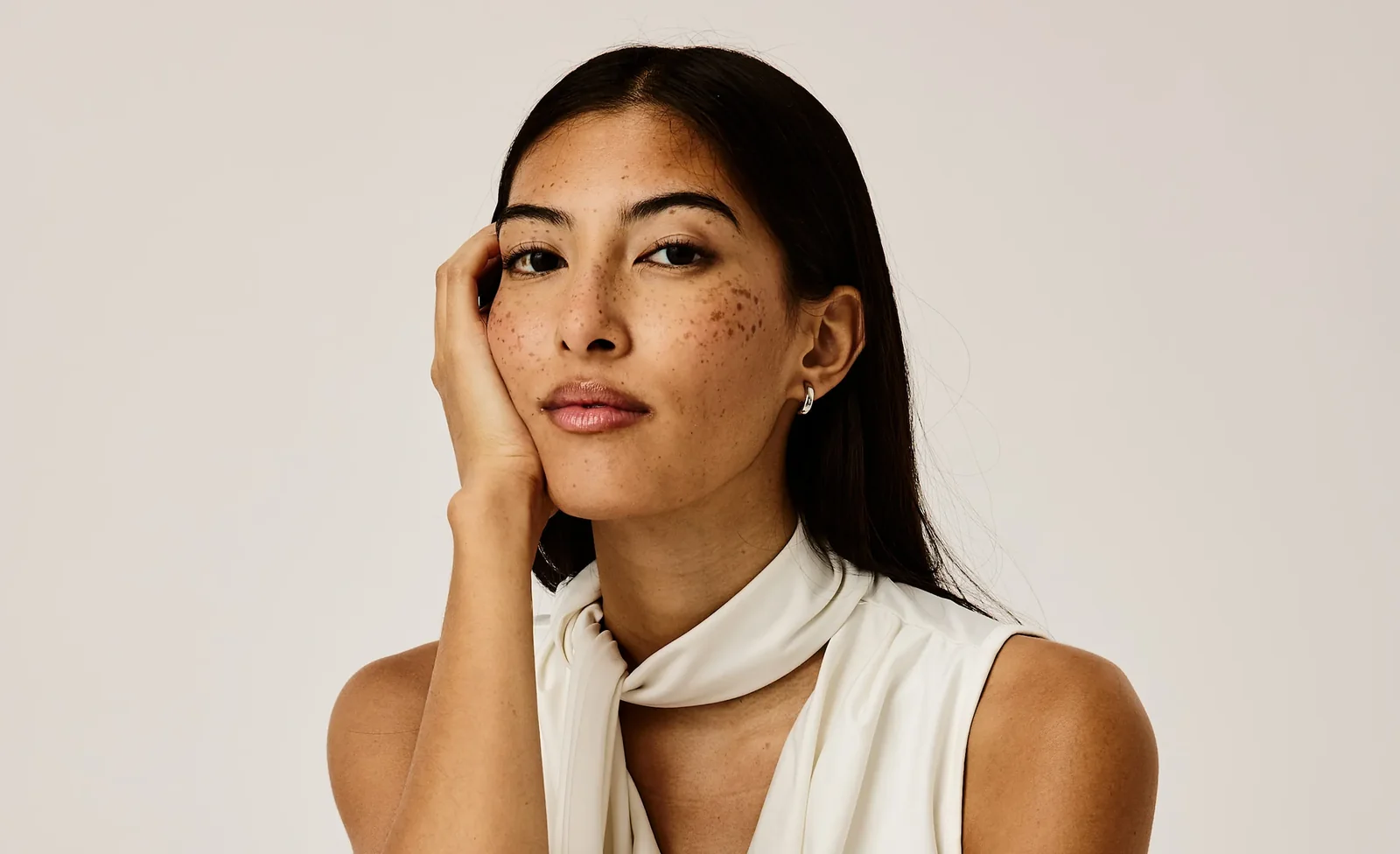
But the audience for health tracking has grown beyond this segment. More people now want to track their bodies without wearing something that looks technical, sporty or medical.
The technology caught up
Jewellery trackers have become more plausible as the technical foundation has changed.
Sensors have become smaller and batteries more efficient. Components can now fit into objects that would once have been too small for continuous tracking. Machine-learning models have also become better at extracting useful patterns from limited or indirect physiological signals.
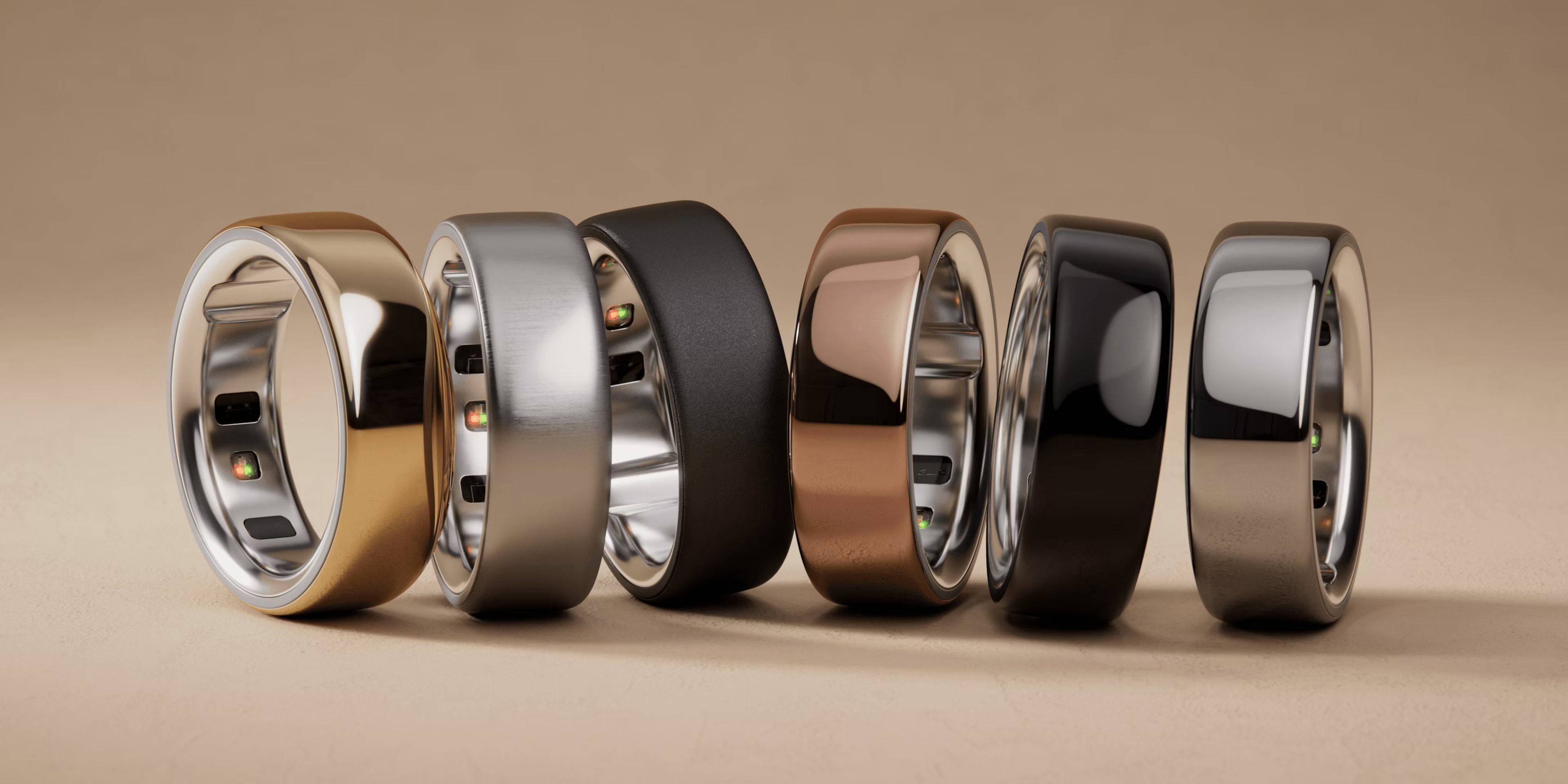
Smart rings were the first clear expression of that shift. Oura established the format as both a mainstream wearable and a piece of jewellery, with Ultrahuman, Circular, Amazfit, RingConn and others following.
Now, companies are applying the same idea to other parts of the body, choosing formats that look more like jewellery while also creating new places to collect health data.
Tracking moves beyond the ring
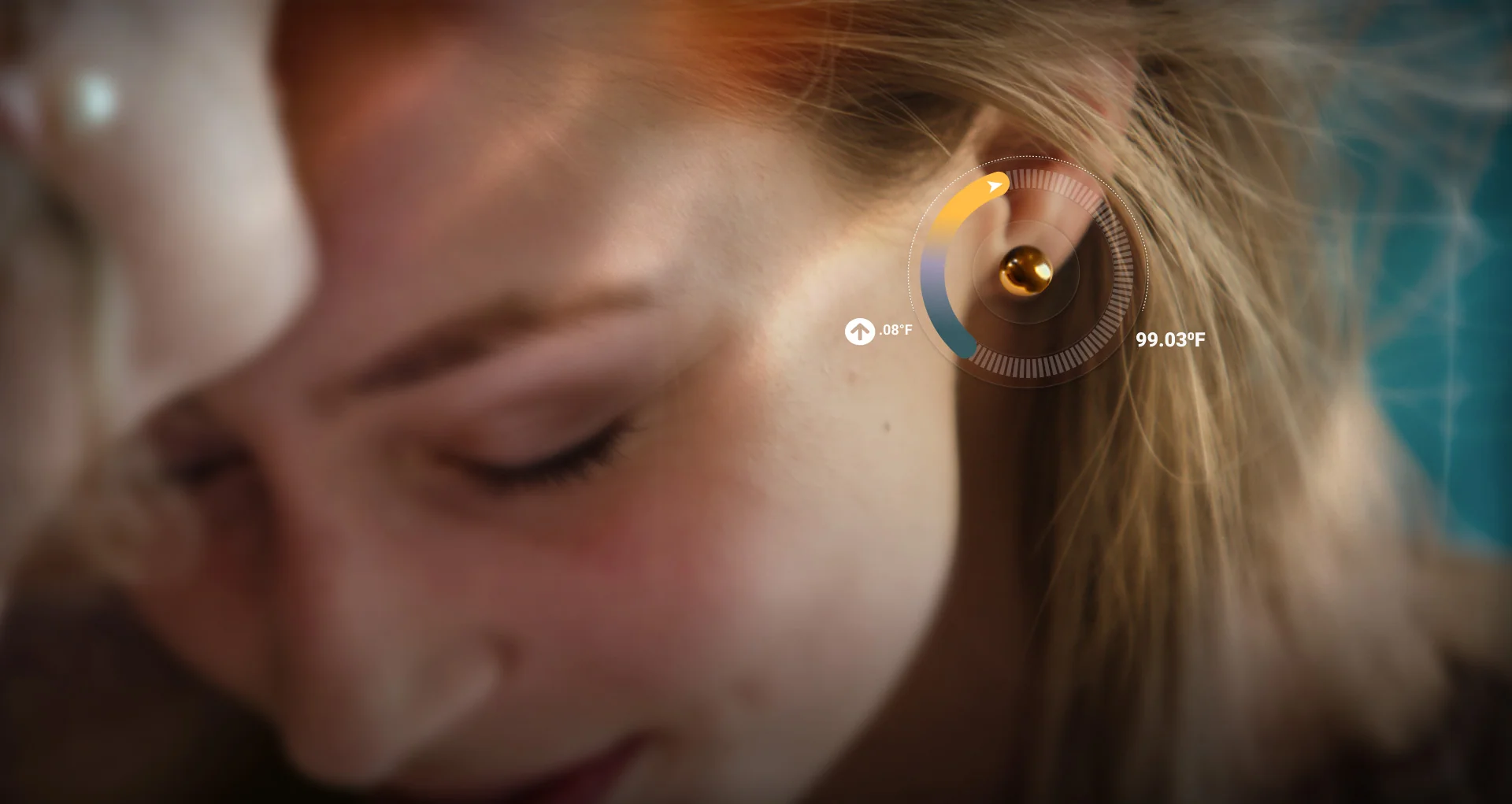
The ear is one of the clearest next steps. It offers a different measurement site from the wrist or finger and can provide stable contact during daily activity. Incora is developing gold-finished earrings that track heart rate, sleep, and activity, then interpret those signals in the context of the menstrual cycle.
Lumia 2 also uses an earring format, with an infrared sensor designed to read a small artery in the ear and track blood-flow signals.
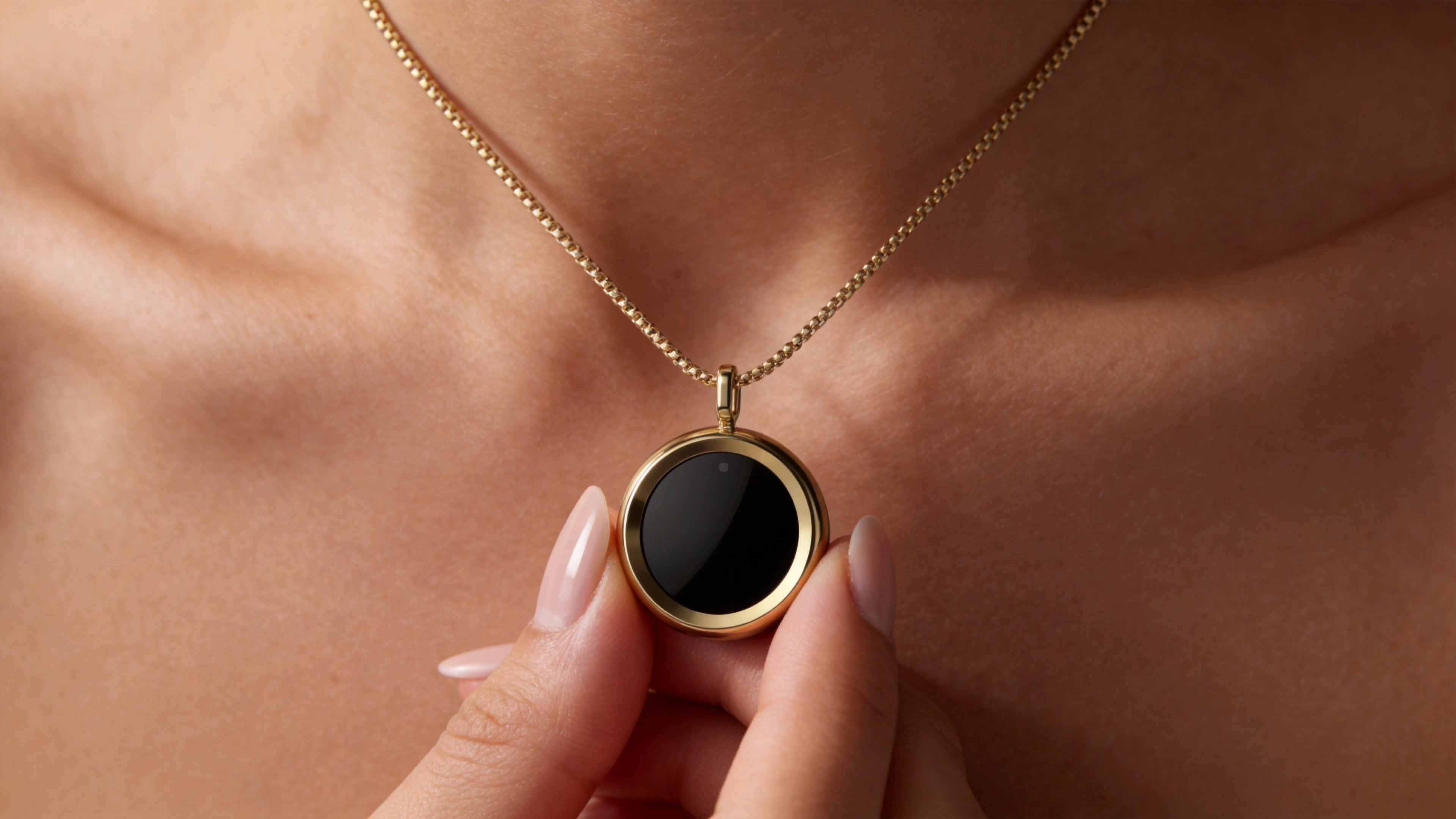
From the ear, the same thinking is moving to the neck. Pendants provide more physical space for sensors and can collect signals that depend on where the device sits on the body.
The90 Gem uses a necklace format to measure UVA and UVB light reaching the device, estimating when someone may be approaching their sunburn limit and prompting sunscreen reapplication through the app.
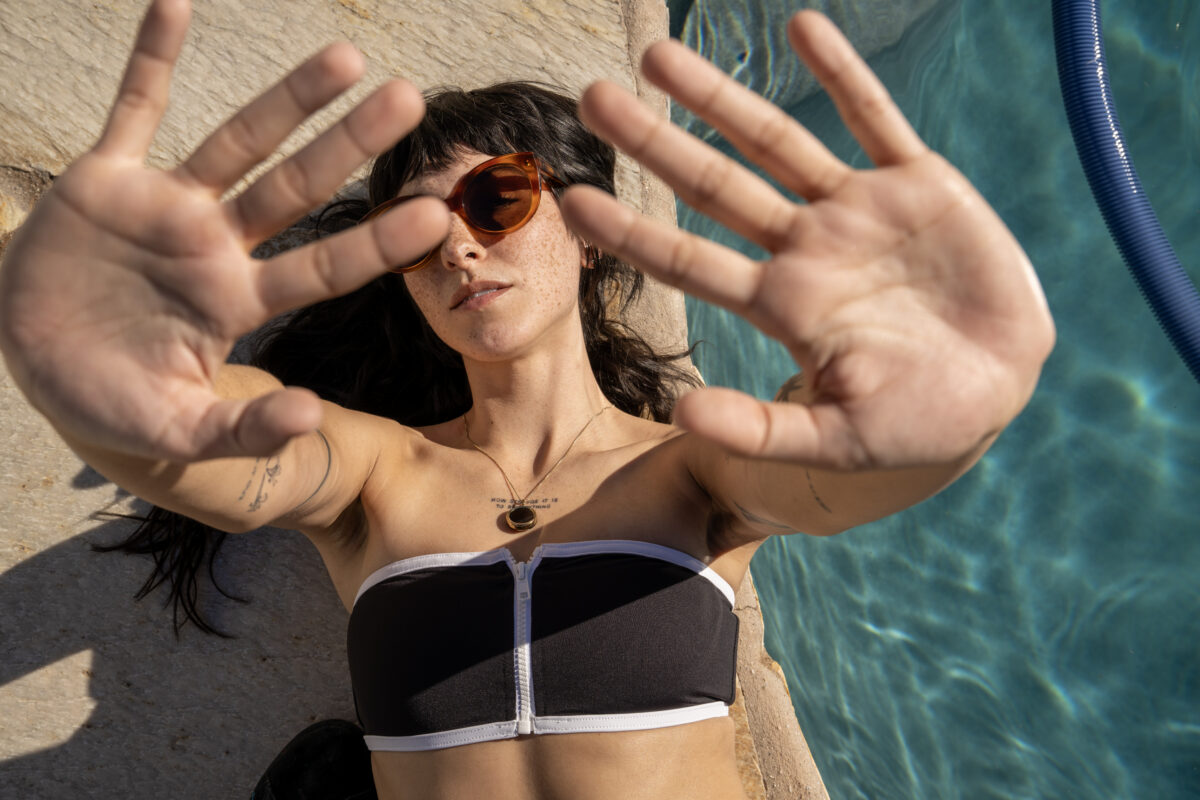
ODYSS N1 uses a pendant with a wide-angle camera and motion sensor to recognise eating events and estimate foods and portions without manual logging. Its position on the chest gives it a view that would be difficult to capture from a ring or band.
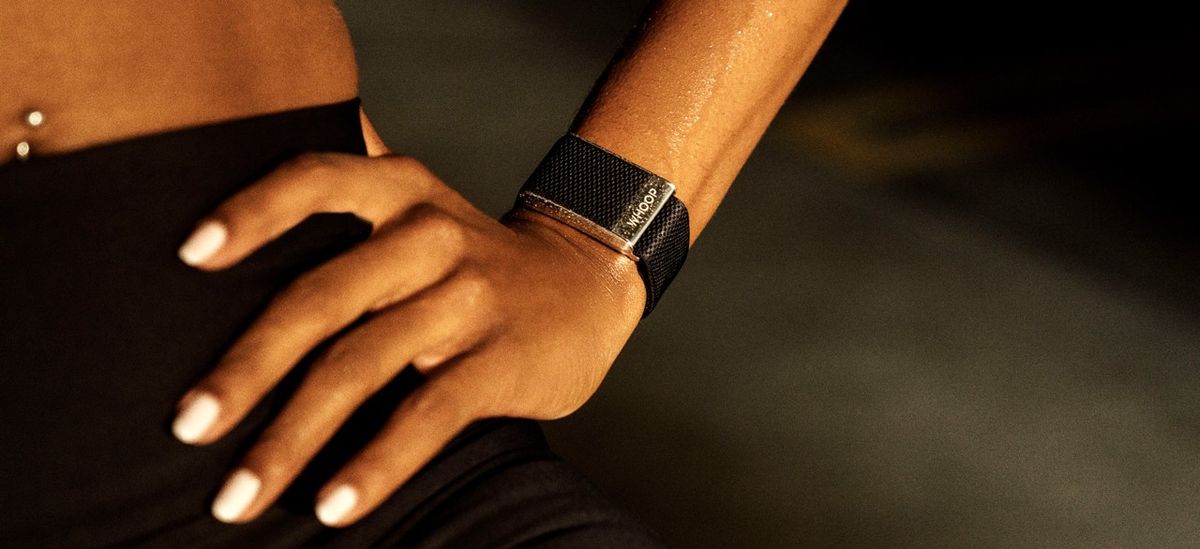
The wrist is changing too. Instead of abandoning the location, some companies are trying to make wrist-based tracking look less like sports technology. Lumysi is crowdfunding a screenless titanium bracelet with optical heart sensing, blood-oxygen and skin-temperature trends, and motion tracking.
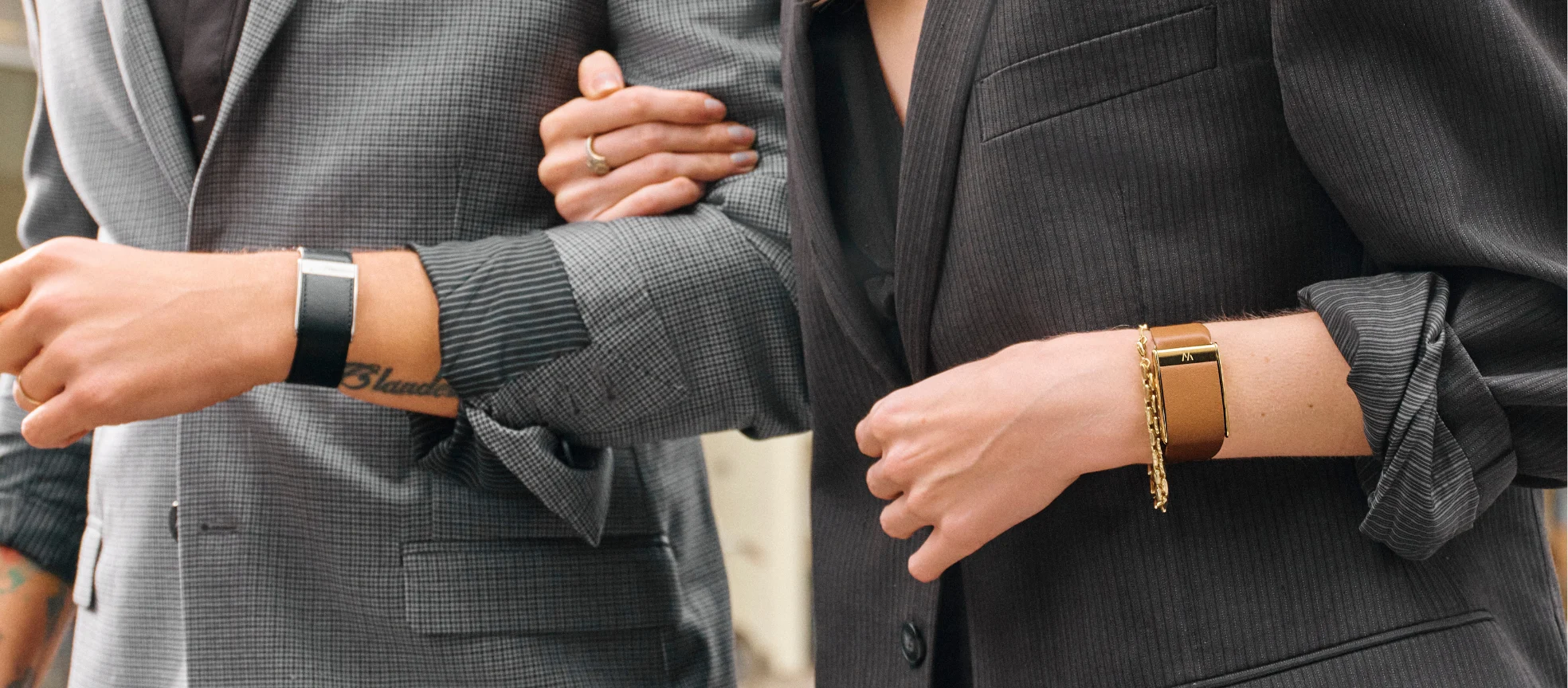
Established brands are taking a similar route with their existing products. WHOOP’s LeatherLuxe bands make the company’s strap look more like a conventional accessory, with leather and gold- or titanium-coloured hardware.
Withings’ ScanWatch Nova Brilliant puts health-tracking features inside an analogue-style watch designed to look closer to traditional jewellery than consumer electronics.
Continuity is the advantage
Across these different formats, the same argument keeps appearing: a wearable is only useful while someone is wearing it.
A wearable becomes more useful when it can understand a user’s baselines, deviations, and trends over time. That changes how jewellery trackers should be judged.
A smaller, more discreet device may not outperform a larger tracker on every metric, but if someone wears it every day while the technically better device sits unused, it may produce more useful information in practice.
That is the central argument for the category. The best wearable may simply be the one users continue wearing across more situations.