
Hey, wearables lovers
Big week for health tech. Google invested in Flo, the cycle app with 80 million monthly users. Next, Resmed put money into Eight Sleep, following an earlier Oura partnership. Finally, TIME’s best inventions of 2026 list dropped, full of health sensors.
Consumer wearables are moving closer to real healthcare. This week shows it from a few different angles.
👩 Google backs Flo, the cycle app with 80 million monthly users
Zofia’s pick · Women’s health
Google has made a strategic investment in Flo, the period tracking app with more than 80 million monthly users. From early 2027, Flo users will be able to combine their cycle data with what their wearable already measures, including sleep, resting heart rate, skin temperature and breathing rate. The two companies also plan joint research on perimenopause, pregnancy and postpartum recovery.
Users will have to opt in to share data, and Google says Flo data will never be used for ads or sold to third parties. This is important as, in 2021, Flo settled with the FTC, the US consumer watchdog, over sharing health data with Facebook and Google.
This is yet another example of major players venturing into female health, following Whoop’s recent partnership with Natural Cycles, and Oura’s partnership with Xella Health. By adding women’s health functionalities, health tracking becomes more interactive for female users.
⌚ Google brings the screen back with the Fitbit Edge
Dominic’s pick · Trackers
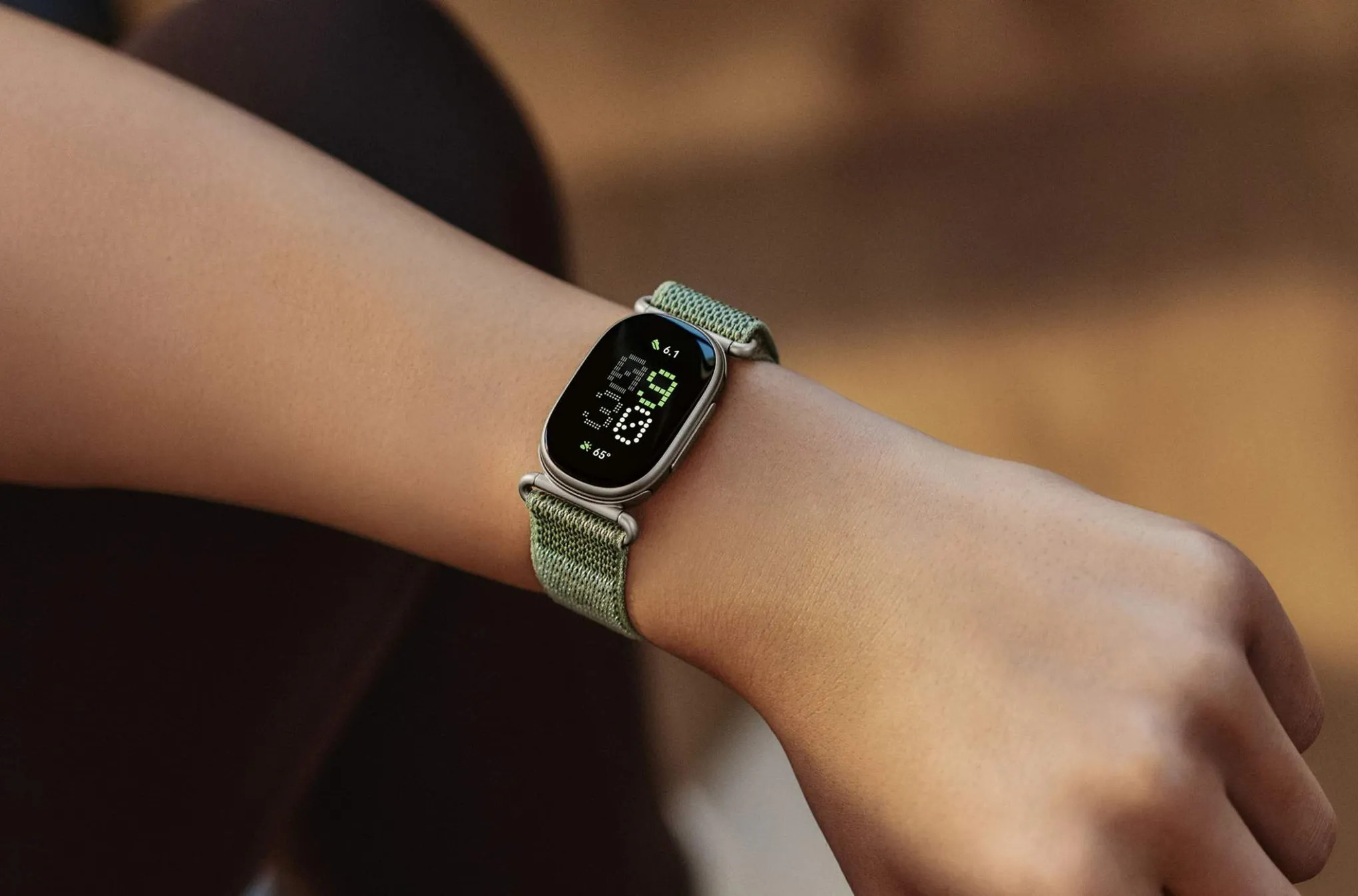
Last week, Google expanded its Fitbit lineup with the new Edge. Priced at €180, Edge sits between the screenless Fitbit Air and the more extensive Pixel Watch. The tracker features a 1.34-inch OLED display, built-in GPS, ECG, automatic workout detection, and up to seven days of battery life. It also supports Google’s AI-powered Health Coach.
Edge comes at an interesting time. Just five months after launching its first screenless Fitbit, Google is making another substantial push into a tracker with a display.
The direction of travel is increasingly screenless, a category formed by Whoop and followed by Google, Garmin, CIRQA, and potentially even Apple. But Google clearly still sees a market for people who want serious fitness tracking and access to their metrics directly on their wrist. Edge serves those users without the complexity of a full smartwatch but with the battery life of a screenless tracker.
As a Whoop user who holds my phone while running to check my stats, I might give it a shot.
🏆 TIME’s 300 Best Inventions of 2026 are full of health sensors
Zofia’s pick · Sensors
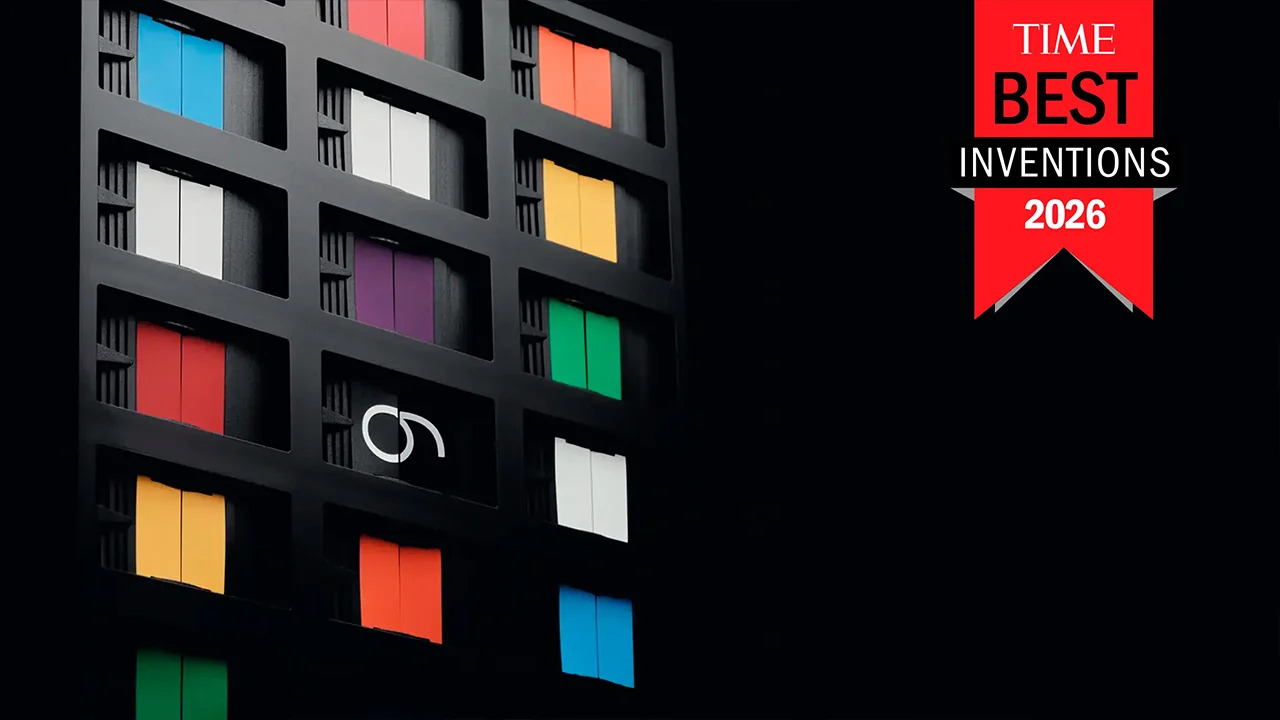
Among this year’s picks are Biolinq Shine, a needle-free glucose patch worn on the forearm that shows readings through coloured lights, and Hilo Core, a wristband that tracks blood pressure without a cuff. Garmin’s Cirqa also made the cut, offering screenless tracking without a subscription.
The sensors extend into the home, too. Kohler’s Health Dekoda attaches to your toilet to analyse urine, including signs of hydration. Kardian’s Somily sits beside the bed, using radar to track breathing and heart rate. Withings’ Body Scan 2 brings cardiovascular and metabolic measurements to the bathroom scale.
It’s wonderful to see so many health sensors being recognised on a level of true inventions. The healthtech category is no longer just heart rate monitors, but covers a wide range of technology that was previously reserved for clinical tech.
🛏️ Resmed invests in Eight Sleep, its second consumer sleep deal this year
Dominic’s pick · Sleep
Clinical sleeptech company Resmed announced an investment in and partnership with Eight Sleep. In Australia, Eight Sleep users can now access Resmed’s sleep assessments and educational resources based on their sleep data. In the US and Australia, existing Resmed patients can also integrate their therapy data into the Eight Sleep app.
This follows Resmed’s partnership with Oura in May, which also connects users showing elevated nighttime breathing disturbances with potential clinical care.
I think we’re seeing an interesting model emerge. Consumer wellness products are becoming an entry point into the clinical care funnel, allowing companies like Resmed to reach potential patients earlier. Meanwhile, consumer brands can expand their role in healthcare, leaving formal diagnostics and treatment to clinical partners while still capturing a piece of the clinical pie.
📦 Release calendar
Out now, and yours if you want it →
Huawei Watch D3 · Mechanical
A smartwatch with a real inflatable cuff hidden in its 25.5 mm strap, so it measures blood pressure by squeezing the wrist the way an arm cuff does. It can also run 24-hour monitoring, and its blood pressure features carry European medical certification. Now on sale in Europe and the UK.
OMRON VIVA 360+ · Electrical
A body composition scale with electrodes for your hands and feet, so it can measure your arms, torso, and legs separately. The scale reports up to 18 metrics, including visceral fat and skeletal muscle. A new Athlete Mode was developed for people with more muscle. Out now in the US.
Polar Loop Armband · Optical
A band that moves the screenless Polar Loop from your wrist to your upper arm. Polar says the tracker sits steadier there during lifting, HIIT, tennis and padel, which makes its heart rate readings more reliable. Now, your wrist stays free for a bar or racket.
⭐ Device spotlight
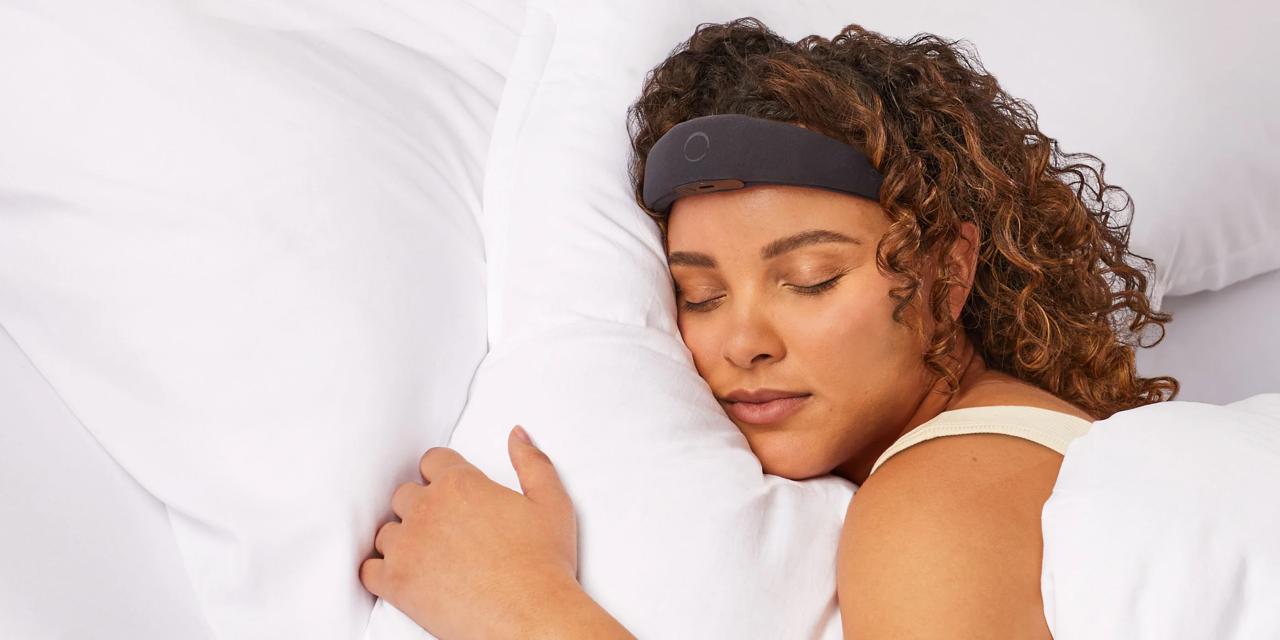
Elemind is a sleep headband that reads your brainwaves through five EEG sensors and plays sound timed to them to help you fall asleep. In the company’s own studies, 76% of people fell asleep faster. The company has just been acquired, reportedly by Hinge Health. That might mean we will see new product iterations or an integration with Hinge products.
Electrical · Acoustic · 9 hr battery · $399
📰 Everything else
The rest of the week, in one breath →
- Withings puts Apple Health syncing behind its Withings+ subscription for accounts made from 13 October. Older accounts keep syncing for free.
- Stanford finds the Galaxy Watch 6 caught 94% of moderate to severe sleep apnea in 147 adults, while also flagging some people who didn’t have it. Samsung funded the study.
- Northwestern builds glasses that read your pulse and power themselves from your blinking and chewing. Snacking, now with a purpose.
- Hiyd unveils a 7 g sensor disc that sticks to the back of the watch you already wear and tracks heart rate, sleep and recovery. More than 16,000 people have paid deposits.
- Withings finds sleep gets worse in the week before a period for 76% of women, across about 469,000 cycles tracked by its own devices.
- Throne tests its toilet sensor against five gastroenterologists, and its AI matched them 89.6% of the time on the most common stool type.
- Fitbit data shows the spring clock change makes sleep less regular, with night-to-night swings 14.6 minutes larger than in Arizona, which doesn’t change its clocks. The study is a preprint.
- Whoop files a patent that uses the band’s own vibration motor to check whether your strap is too loose or too tight.
- Apple patents a watch band with laser sensors that could read heart rate, blood pressure and breathing from tiny movements against your skin. A patent doesn’t mean a product.
That’s it for this week. See you next Tuesday with more from the world of sensors.
Want to support our newsletter? Forward it to some friends who might enjoy the read.
👋 Zofia & Dominic