Apple is reportedly developing prototypes of a screenless health and fitness tracker. According to Bloomberg, the device comes in the form of a thin fabric band with a sensor-equipped computing module sitting against the wrist. It is being tested for heart rate and other health measurements.
Apple has been exploring the format for several months, although sources state that the project remains an internal technology investigation and has not been approved for commercial release. A launch would reportedly come no earlier than 2028.
Apple has not publicly explained why it is exploring the format. The project comes as the company expands the amount of health data collected across its devices, while adding more features built around continuous measurements and personal baselines.
Apple already has the software layer
Apple is preparing a major redesign of the Health app later this year. A new Insights tab will surface personalised health information throughout the day, while a Longevity section will bring together longer-term trends across heart health, sleep, movement, and metabolic health.
Health Age will compare measures including VO2 max, resting heart rate, sleep, and HRV with a user’s chronological age. Lab results such as A1c and LDL can also feed into the analysis.
The Health app currently combines information from Apple Watch, iPhone, AirPods, clinical health records, and third-party apps and devices. Apple is joining the wider trend of presenting users with insights from repeated measurements over time, which generally are more insightful than individual readings.
The Watch still comes with smartwatch trade-offs
The latest health tracking device is the Apple Watch Series 12. Launched in September, it features a redesigned sensing system. Heart rate is now measured every five seconds throughout the day, while HRV can be measured up to 24 times more frequently than before.
Apple also introduced Readiness, a 0-10 score based on recent activity, training load, vital signs, and sleep. The score updates as new data comes in and gives recommendations ranging from Recover to Go For It.
These features increase the value of wearing the device throughout the day and night. The Watch, however, still has to power a display, apps, notifications, and all other smartwatch functions alongside health tracking.
Series 12 advertises 24 hours of everyday use. Apple has reduced charging inconvenience with faster charging, with 15 minutes now providing up to 12 additional hours, but users still need to remove the device daily.
Bloomberg has not reported the prototype’s battery life. But a screenless tracker would remove one of the Watch’s most power-intensive components and would not necessarily need the same set of interactive functions.
Screenless trackers are becoming a category
Apple would enter a format that has expanded well beyond WHOOP.
The WHOOP 5.0 remains the clearest reference point. The health tracking band focuses on tracking sleep, strain, and recovery and features more than 14 days of battery life- 14x more than the Apple Watch. The device has no display and can also be charged while worn.
This year, Garmin entered the category with CIRQA. The $279.99 band brings features including Body Battery, HRV status, sleep tracking, and Training Readiness into a screenless wearable with up to 10 days of battery life and no required subscription.
QALO followed in September with the $199.95 SL-1. It tracks heart rate, HRV, SpO2, temperature, sleep, and stress and features a minimum of 12 days of battery life. The band shares one health profile with QALO’s smart ring, allowing users to switch between the two devices without splitting their data.
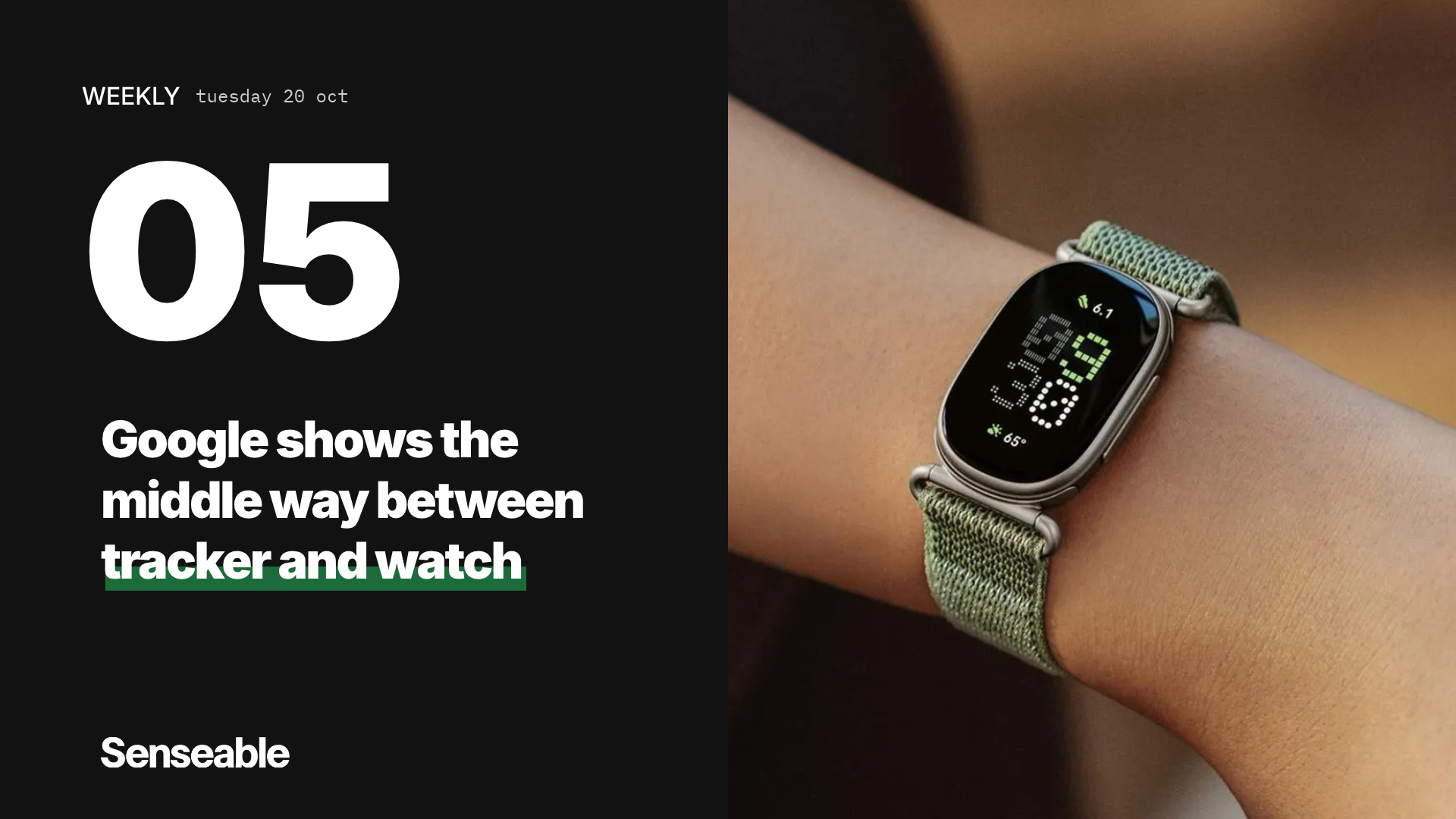
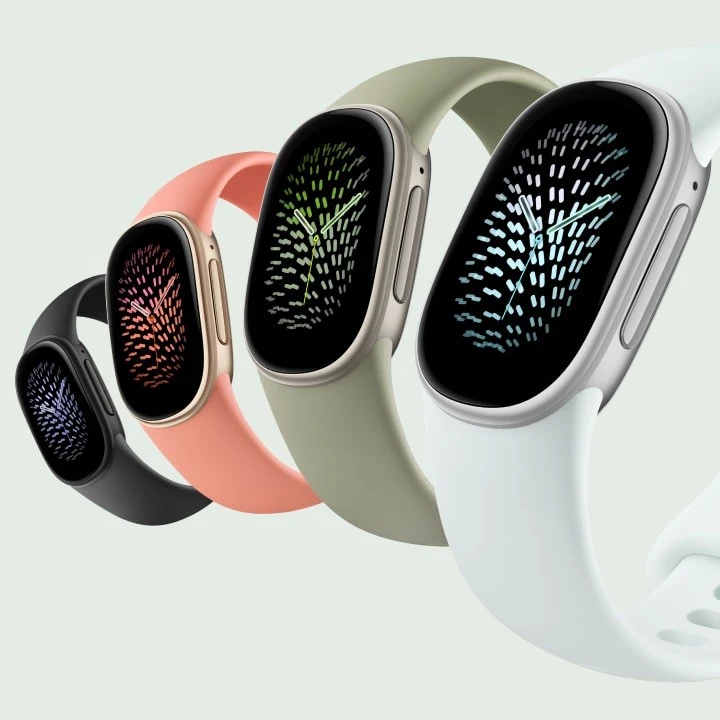
Google has also launched the a subscription-free $99.99 Fitbit Air, offering up to one week of battery life in another screenless wrist format.
Apple’s reported prototype would enter this market with an existing health software ecosystem already built around the Watch, iPhone, AirPods, and Health app. Bloomberg reports that the project has support from senior executives, but Apple has yet to decide whether it will reach consumers.