.svg)
.svg)

.svg)
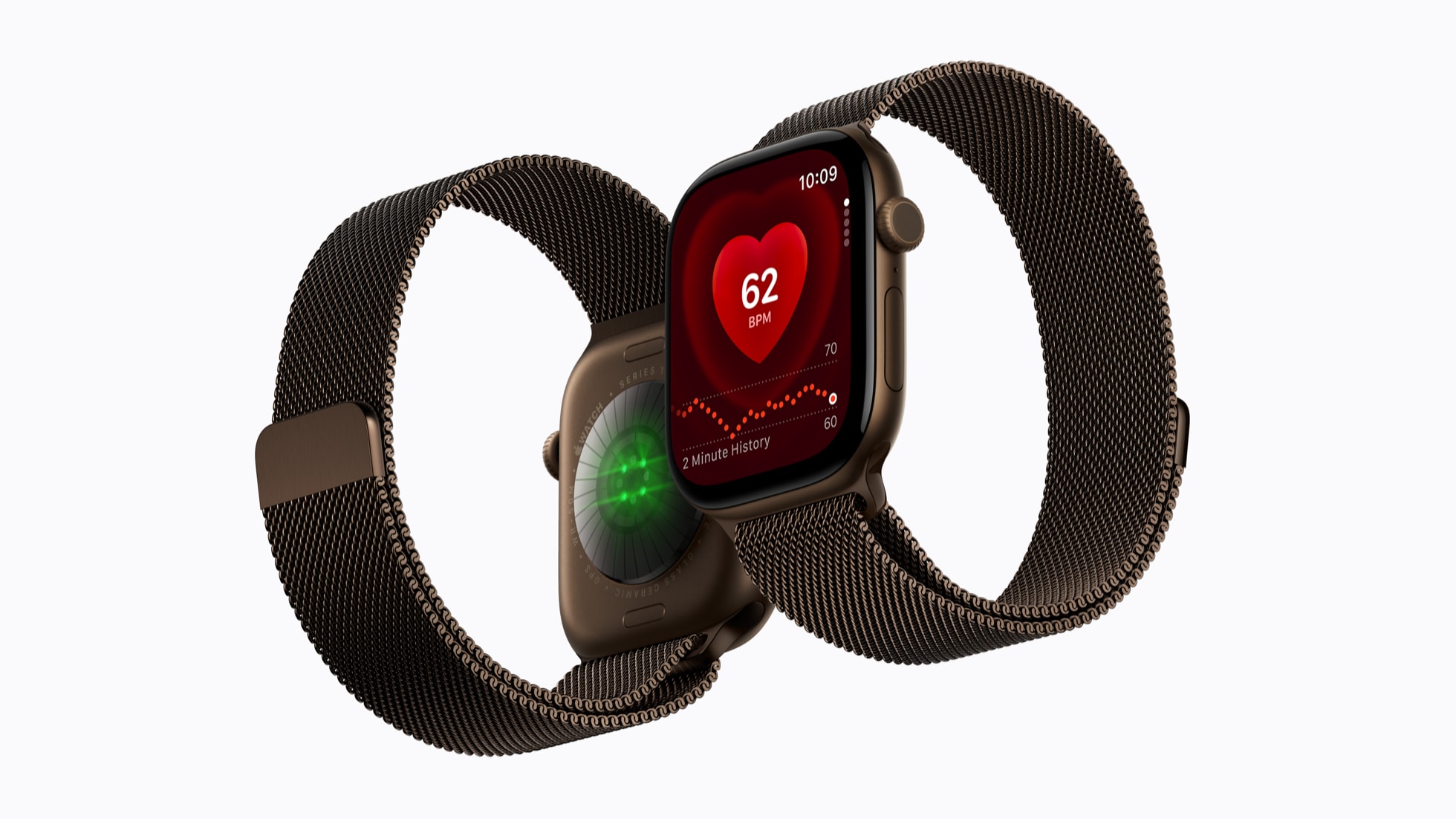

The Apple Watch Series 12 brings one of Apple’s biggest health upgrades in years, adding more frequent heart measurements, a new Readiness score, daytime Vitals, and a Health Age feature in a redesigned Health app.
The watch starts at $399 and ships from September 18. The device does not include any sensors or introduce any new headline biomarkers. Apple is mostly improving the data it already captures and ‘borrowing’ some of the most successful ideas from Oura, WHOOP and Garmin.
More data from the same wrist
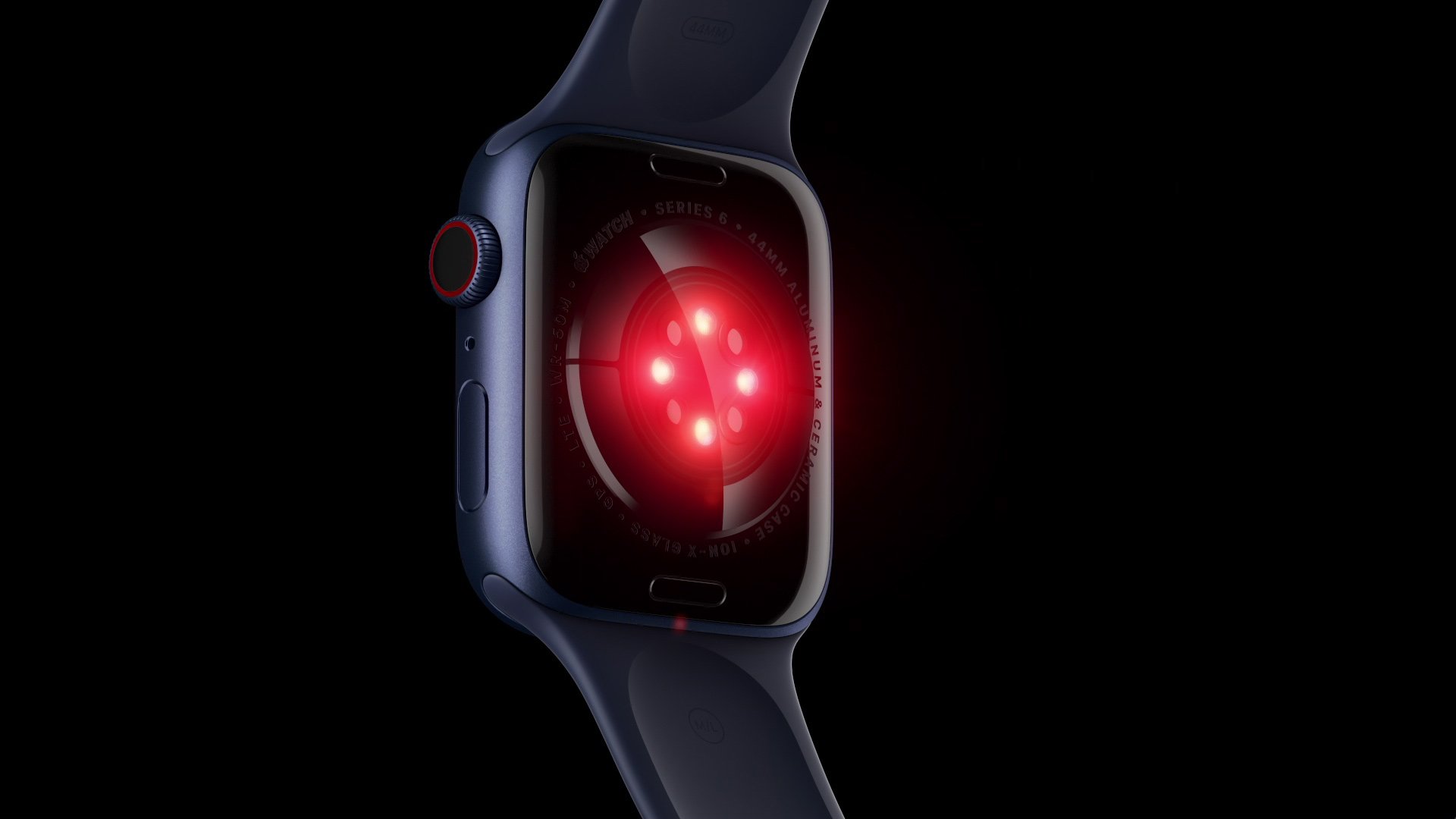
Apple has launched a new Health Sensing System. The Series 12 gets updated optical and electrical heart sensors, with larger and more power-efficient green LEDs. Heart rate is now measured every five seconds throughout the day, while HRV can be measured as often as every five minutes, around 24 times more frequently than before.
That extra data feeds into a new daytime Vitals view and two versions of HRV. Recovery HRV targets daily stress and recovery, while overall HRV is intended for longer-term health trends.
Apple is also making a big accuracy claim. In an internal study of 1,460 participants, the Series 12 was compared with competing devices, including WHOOP 5, Oura Ring 5, Garmin Forerunner 970, Pixel Watch 4 and Galaxy Watch 8, using a Polar H10 chest strap as reference. The Watch produced statistically better results in 139 of 159 activity-by-measure comparisons.
The catch is, once again, battery life. The Series 12 still lasts up to 24 hours in normal use. That is manageable for a smartwatch, but far from convenient for a device promising users denser daytime data, sleep data, and recovery measurements around the clock.
Apple finally gets a readiness score
Apple is also introducing Readiness, a 0 to 10 score based on recent activity, training load, Vitals and Sleep Score. It comes with four simple recommendations ranging from Recover to Go For It, and can change throughout the day as new workouts or physiological data come in.
The concept will sound very familiar to existing wearable users. Oura has long built its experience around a Readiness Score combining sleep, body signals, and activity. Garmin’s Training Readiness similarly combines sleep, recovery time, HRV, training load, and stress.
Apple is characteristically late here. But the Series 12 gives the new scores better inputs than before. A proprietary Sleep Score only arrived last year, and higher-frequency HRV and daytime Vitals now give Apple more data to work with between workouts.

Health Age takes on another wearable favourite
The redesigned Health app is adding a Longevity section built around Health Age. Apple will use signals including VO2 max, resting heart rate, sleep and HRV to show how someone’s health compares with their chronological age. Lab values such as LDL and A1c can also feed into the picture.
Again, Apple borrows from existing wearables. WHOOP Age combines sleep, activity, and fitness data to estimate physiological age, while Oura offers a more specific Cardiovascular Age feature.
Apple hopes to profit from its wider device ecosystem. The Health app already brings together data from the Watch, iPhone, AirPods, third-party devices, and clinical records. Adding labs means Health Age can eventually draw on information a watch could never measure itself.
Apple Health is expanding beyond the Watch
The Apple Health vision shows up across Apple’s announcements. Users will now be able to complete movement assessments at home using the iPhone camera and Apple Watch, covering areas such as strength, balance, flexibility and movement mechanics.
In the US, Apple will also let users order a $119 Quest Diagnostics panel covering more than 50 biomarkers directly through the Health app. The new Insights section will then combine health data into more personalised summaries and recommendations.
The Apple Watch traditionally drew criticism around user experience, presenting individual metrics in an unstructured format. Apple seems to have listened to that critique, moving the new gen closer to an integrated health platform built around more straightforward scores. The hardware remains central, but labs, movement assessments, and other connected sources increasingly fill the gaps around it.


.svg)
.jpg)