
.svg)
.svg)

.svg)
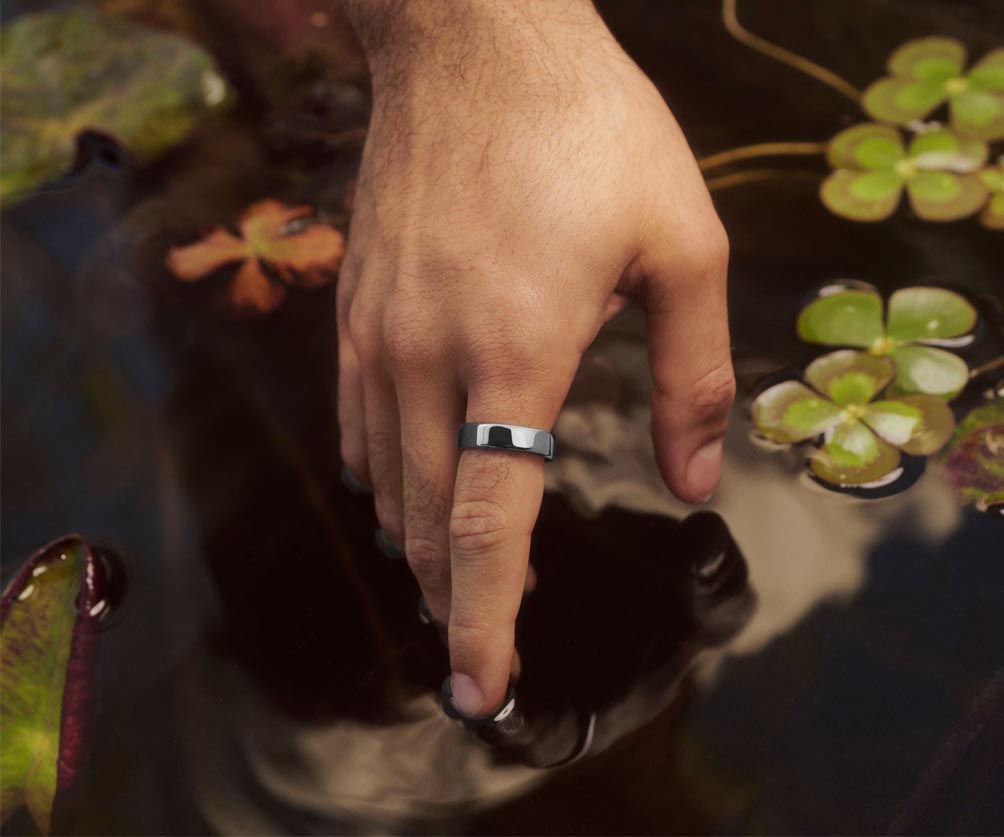

Oura’s filing for a US initial public offering has shown the industry the numbers behind the smart ring boom. The company generated $1.21 billion in revenue over the nine months through June, reached around 5 million paid members, and reported weighted-average 12-month membership retention of roughly 85%.
That retention may be the most important number in the filing. Oura says hardware sales are designed to offset customer acquisition costs at purchase, while the membership adds recurring revenue afterwards. Around 94% of ring activations convert into paid memberships.
Rivals are chasing different versions of the model
Around the time of the filing, smart ring updates from nearly all of Oura’s major competitors landed.
Ultrahuman raised $70 million this week from investors including Qualcomm Ventures and Labcorp. The company has sold around 800,000 rings and is increasingly pitching the form factor as a small computing platform, with optional PowerPlugs software, AI interactions and potential controller functions. Around 12% of users currently pay for PowerPlugs.
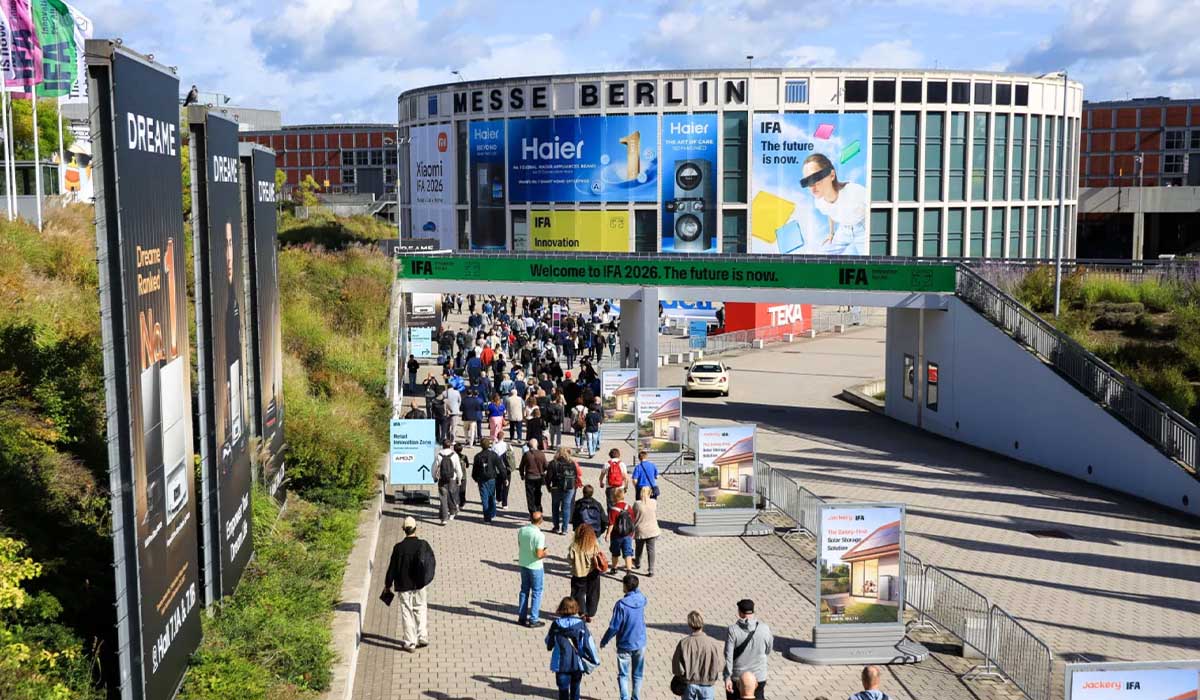
At IFA, Circular unveiled its Ring 3 Pro and Slim, adding contactless payments and haptic alerts alongside health tracking. RingConn also showcased its Gen 3, which launched earlier this year and continues to compete without requiring a subscription.
Garmin may add another heavyweight. A device called the CIRQA Smart Ring appeared in an Indonesian certification database in August before the listing was removed. Garmin has not announced the product, so its timing and positioning remain unclear.
Oura has set a difficult benchmark
Oura has shown that consumers are more than comfortable carrying computing and sensors on the finger. Competitors are now stepping in with different uses for that trusted form factor. Ultrahuman is exploring software and computing, Circular is adding payments and alerts, RingConn is leaning on a subscription-free model.
Oura’s filing shows why retention sits at the centre of that competition. Creating a loop between daily wear, an expanding personal dataset, and recurring software value is a model you can build enterprise value on. Competitors can copy sensors and features relatively quickly. Reproducing that level of habit and long-term engagement is harder.
.jpg)