.svg)
.svg)

.svg)


IFA 2026 wrapped up in Berlin this week, after five days of innovation broughttogether over 2,000 exhibitors and 240,000 visitors. Health tech was just one part of a much bigger consumer electronics show, but showed plenty of innovation beyond the usual smartwatches and sleep scores.
We selected the seven products that stuck out most from the conference, from a band attempting to non-invasively estimate glucose levels to sleep tech that reacts during the night and a powered exoskeleton assisting the full lower body.
Anker RIC Hearing Aids Pro
Anker made its first move into OTC hearing aids with the RIC Hearing Aids Pro, and with it won IFA’s overall Best of IFA award. The device uses four microphones and Anker’s Thus AI chip to separate speech from background noise in real time. They are designed for adults with mild-to-moderate hearing loss, with up to 12 hours of use per charge.
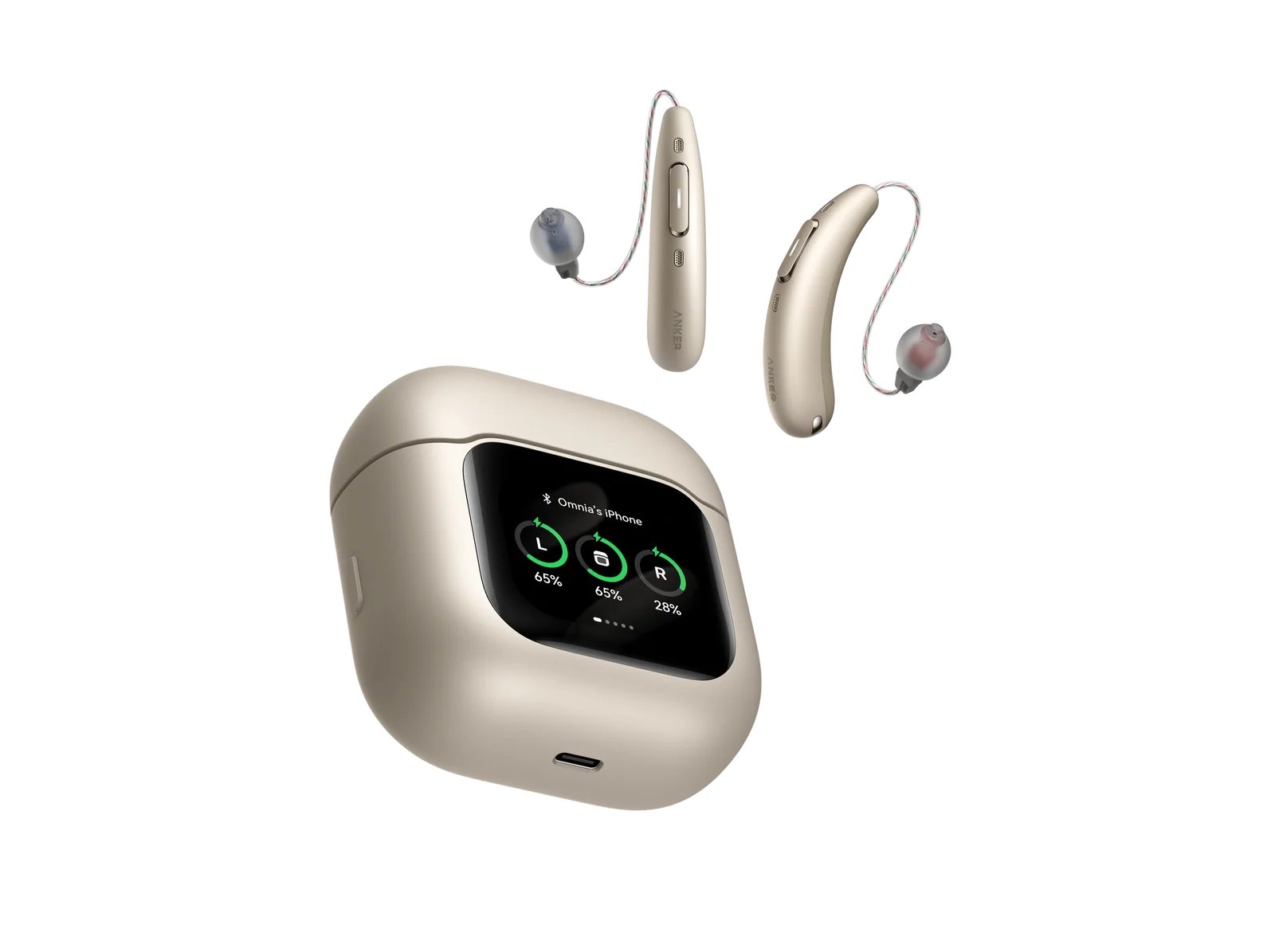
Anker is building its consumer audio business around increasingly sophisticated noise processing. OTC hearing rules now give companies like Anker a route to apply that technology to hearing loss, without going through the traditional prescription model. Pricing has not yet been announced.
Actxa Spark Band
Actxa unveiled the Spark Band, a $149 screenless tracker covering sleep, recovery, activity and heart metrics, with up to 14 days of battery life. Its standout feature is a one-minute AI Glucose Snapshot, which uses optical sensing and Actxa’s BGEM models to estimate a glucose range without a needle.
That feature might draw scrutiny. Actxa positions Glucose Snapshot for general wellness and explicitly says it is not designed to diagnose, monitor, or manage diabetes. Optical estimates are unlikely to come close to a CGM for precise glucose tracking. The case for the feature will depend on whether it can still provide useful directional information for everyday nutrition and metabolic tracking. Pre-orders open September 24, with shipping from November 18.
DUVA One
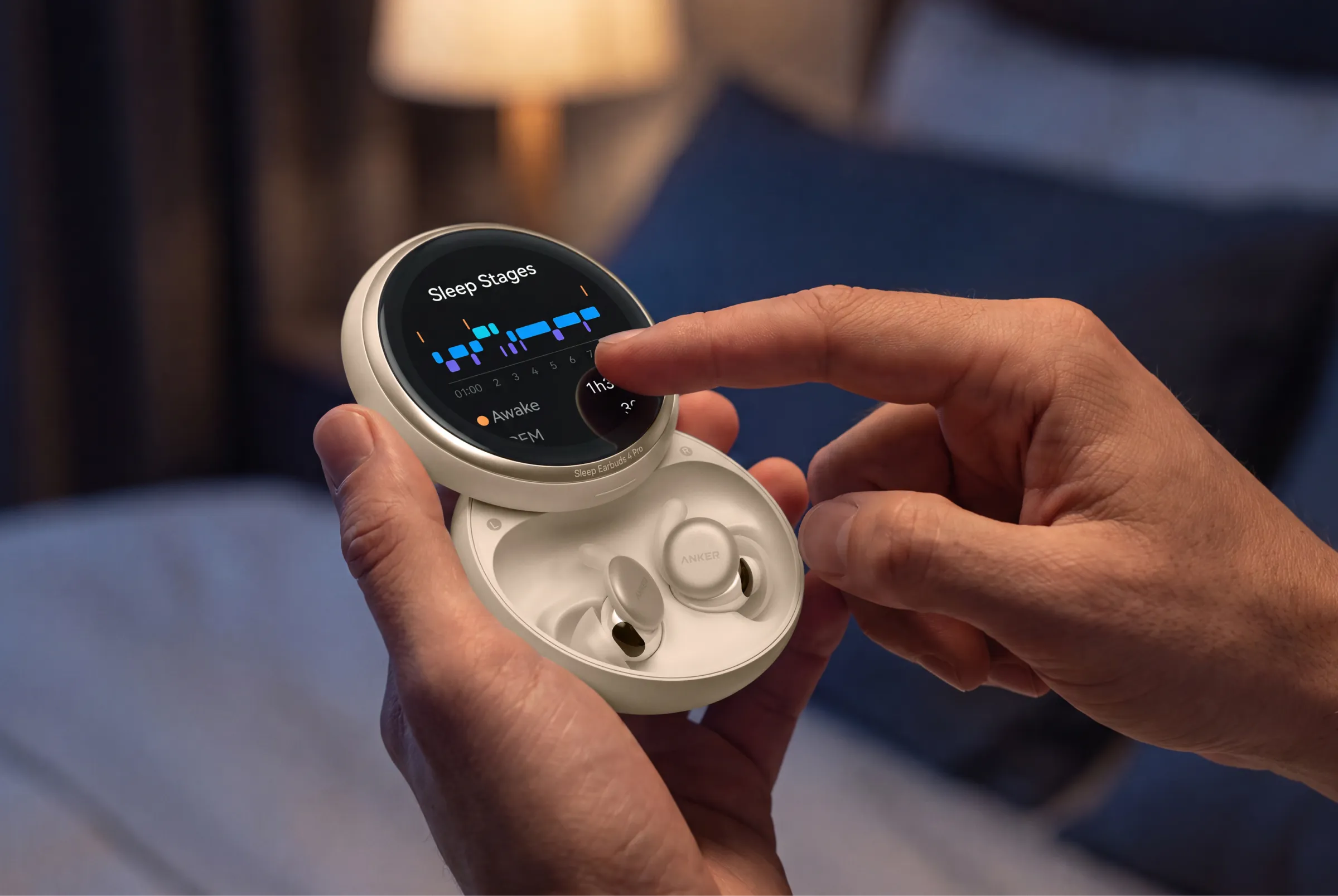
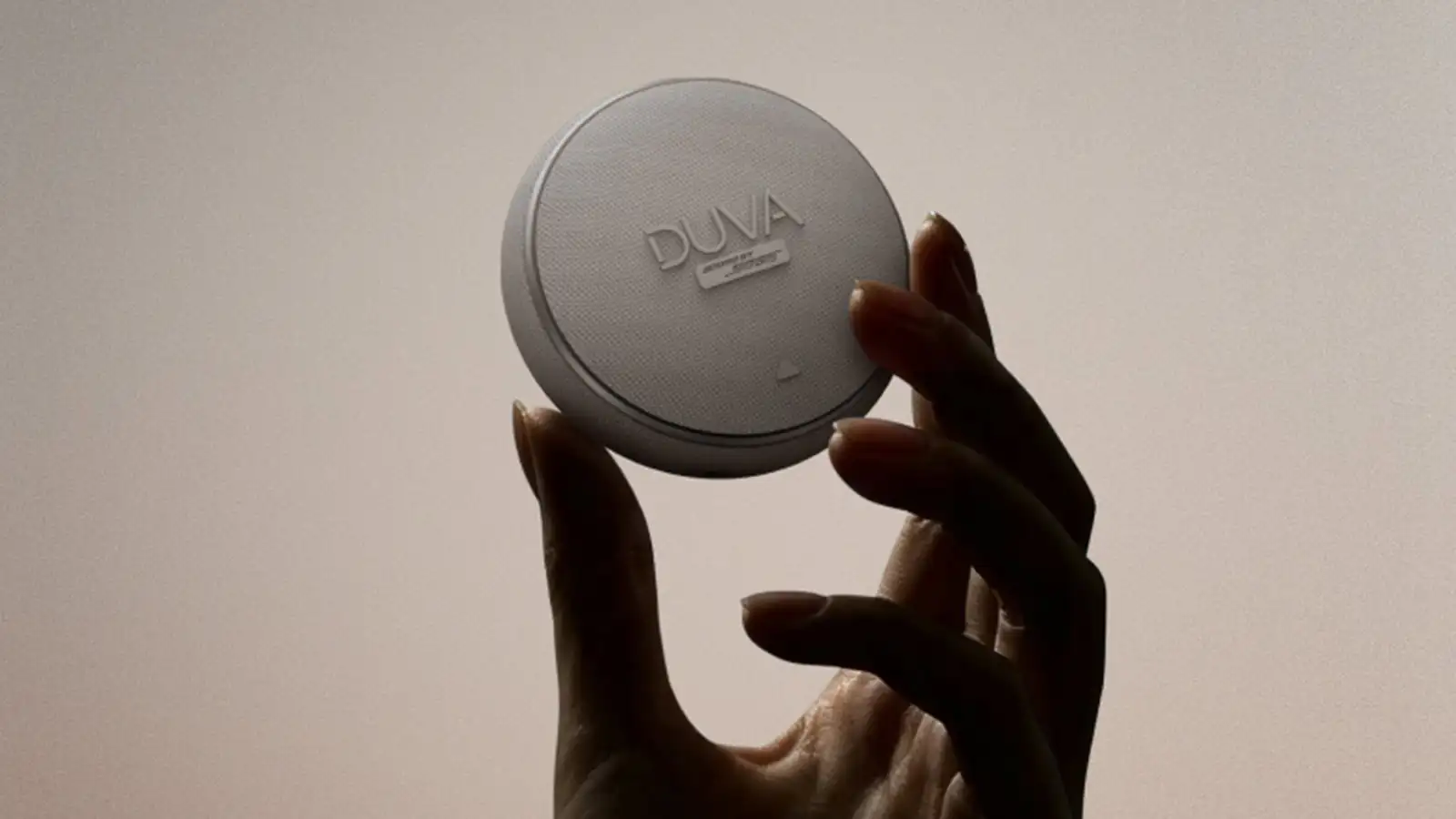
DUVA One announced a new approach to sleep earbuds. In-ear PPG and motion sensors track heart rate, HRV, movement, and sleep position, while the bedside case measures noise, light, temperature, and humidity. The system can then adjust active noise cancelling, introduce sound masking or change sleep audio when it detects a disturbance during the night.
DUVA joins a wider push towards feedback loops in sleep tech. Eight Sleep adjusts temperature through the night, while NextSense is exploring EEG earbuds that can pair brain sensing with real-time interventions. DUVA brings that idea into cheaper and more conventional earbuds. The company is targeting an October release at $349.99 across the US, Canada, UK, EU and Australia.
Withings StethO Sense
Withings used IFA to improve the digital stethoscope inside its BeamO device. The $249.95 handheld already records heart and lung sounds alongside temperature and ECG. From October 1, the new StethO Sense service will analyse those recordings using eMurmur for heart sounds and StethoMe for breathing.
Until now, BeamO mostly helped users capture a recording to review themselves or share with a clinician. StethO Sense makes the data more useful directly at home by adding interpretation, including heart murmur analysis and breathing insights. It requires a Withings+ subscription, priced at $9.95 per month.
Anker SleepLab Pro
Anker’s SleepLab Pro, winner of an IFA innovation award, moves sleep tracking off the body entirely. The bedside device uses 60GHz mmWave radar to detect tiny movements from across the room, which it uses to estimate heart rate, breathing and sleep stages. It also tracks bedroom conditions including light and temperature and doubles as a sound machine and wake-up light.
It is part of a wider push to capture sleep metrics without requiring a ring, watch or earbuds to charge and wear overnight. Anker has opened reservations and says there will be no subscription, although final pricing has not yet been announced.

ODYSS N1
ODYSS announced the N1, a camera-equipped necklace built to change how we log food. Its 120-degree camera and multimodal AI are designed to recognise when someone is eating, identify foods, estimate portion sizes, and automatically turn meals into nutrition data. The device will retail at $299, with a $199 early-access price.
Automatic food logging would remove a lot of the work that currently hurts the retention of nutrition apps. But many open questions exist, including how the device will estimate portions correctly, and whether users are comfortable wearing a camera around their neck. ODYSS says raw images are deleted after processing and includes a physical camera and microphone switch. Its claimed greater than 99% eating-event accuracy comes from internal testing of pre-production units under controlled conditions.
Hypershell Halo
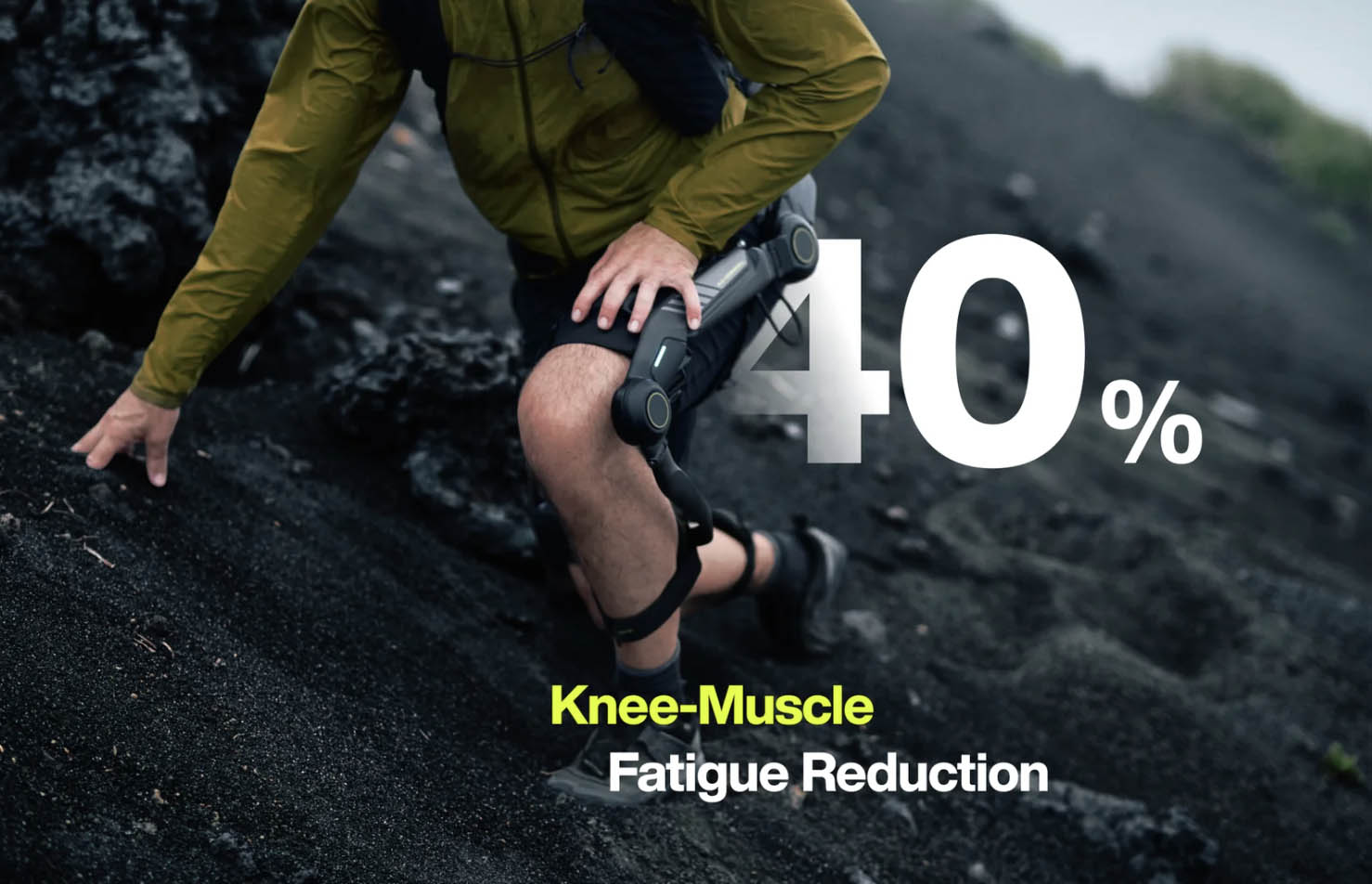
Hypershell went big at IFA 2026. It announced Hypershell Halo, a $2,299 full-leg exoskeleton with four motors powering both the hips and knees, More than 30 sensors track movement, software then continuously adapts assistance to the wearer’s movement. The skeleton weighs 2.6kg, folds down to under eight litres, and is available for pre-order ahead of shipping in late November.
Hypershell again explicitly positions the exoskeleton as lifestyle equipment. Powered exoskeletons have spent years associated with rehabilitation, industrial work and research. Halo pushes the technology further into hiking, travel, and everyday physical performance, with the full lower body now getting powered assistance rather than just the hips.

.svg)


.jpg)