.svg)
.svg)

.svg)
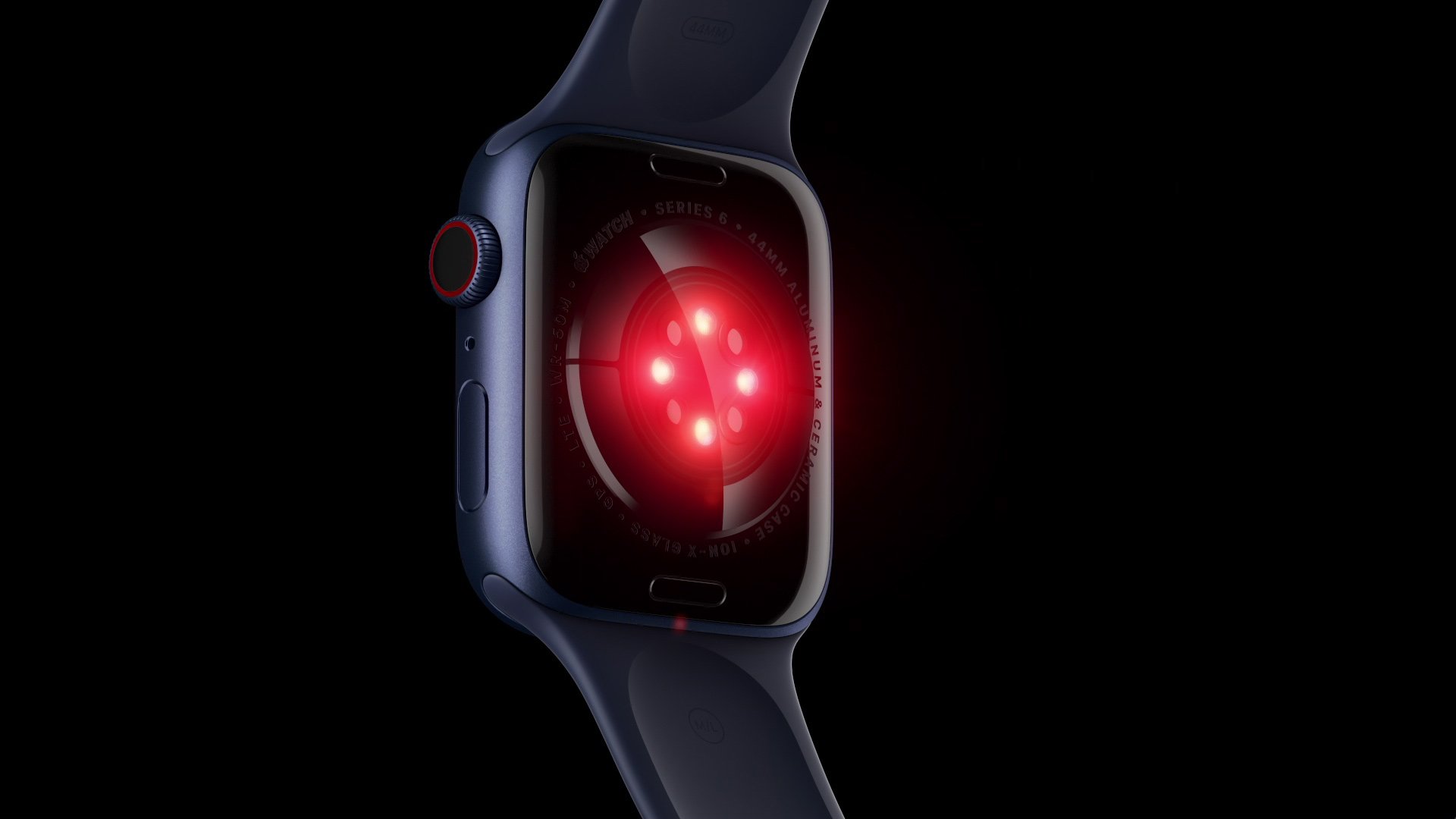

Apple has acquired Sonera, a Berkeley startup developing sensors that read the tiny magnetic fields produced by muscles and nerves. The deal was completed earlier this year and surfaced through a European Commission notice this week. Financial terms were not disclosed.
Sonera raised $20 million since its conception and was developing its first chip, S1, around magnetic muscle sensing. The technology could eventually give Apple’s watches, glasses and earbuds another way to understand subtle movements without relying on cameras or electrodes sitting directly on the skin.
Sonera reads muscle activity through magnetic fields
Most wearable muscle interfaces use electromyography, or EMG, to measure electrical activity through electrodes on the skin. Sonera instead uses magnetomyography, or MMG, which detects the magnetic fields created by the same muscle activity.
In a 2024 gesture study, Sonera researchers built wristbands using magnetic sensors and classified nine hand gestures with 95.4% average accuracy. The tests used third-party sensors rather than Sonera’s proprietary S1 chip.
The company has worked on applying that approach to consumer wearables. A 2025 preprint on silent speech put magnetometers into headphones and reached 86% per-user accuracy when recognising silently mouthed commands. Sonera also demonstrated a necklace capable of detecting silent and spoken speech.
The technology fits neatly into Apple wearables
Sonera had already identified smartwatches, glasses and earbuds as potential homes for its sensors. At the wrist, magnetic muscle sensing could enable more detailed gesture controls. Around the face, it could pick up facial movements or silent speech. Potential health uses include neuromuscular monitoring and sports tracking.
Apple has not said what it plans to do with Sonera. But the acquisition follows a few months after it purchased Q.ai for $1.6-2 billion, which also worked on recognising whispered speech and facial micromovements. Together, the deals give Apple several possible routes for more subtle wearable input.
There is already a precedent. Meta turned its acquisition of CTRL-Labs into the EMG-based Neural Band for controlling smart glasses through small hand movements.
Sonera’s longer-term ambition also includes magnetic brain sensing in the form of wearable MEG. But its most developed work today is muscle sensing, making subtle gesture control and silent interaction the clearer acquisition target for Apple.

.jpg)