
.svg)
.svg)

.svg)
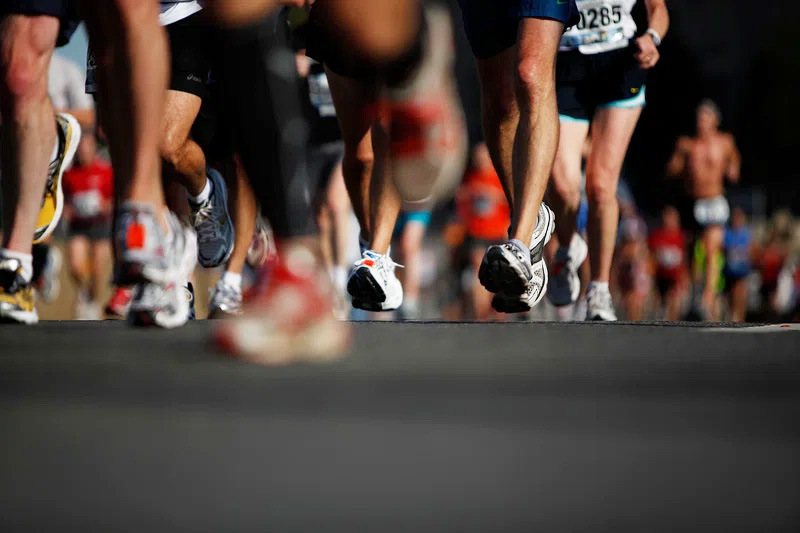

Pulsetto has published results from a project testing whether vagus nerve stimulation can support runners during endurance training. The consumer neurotech company tracked runners preparing for the HOKA Hackney Half Marathon, pairing personalized stimulation protocols with weekly surveys and wearable data including HRV, sleep scores, and recovery readiness.
What Pulsetto found
Pulsetto highlighted two runners from the project. Elite runner Nicholas Bester, who was training more than 140 kilometres per week, used the device after hard sessions and before bed. The company reported improved HRV, while his self-rated freshness rose from 7 out of 10 to 9.
Another runner, Michael Adeniran, reported improvements in evening relaxation and morning freshness from 3 to 8 out of 10. Pulsetto said his wearable data also showed higher sleep scores later in the protocol, and he recorded his fastest half marathon of the year.
These are individual case reports rather than a controlled study, so they cannot show that the device caused the improvements or made either runner faster. They do, however, show that Pulsetto wants to position its technology alongside watches and recovery wearables as another tool for endurance athletes.
How it works
Pulsetto is a neck-worn transcutaneous vagus nerve stimulation device. It delivers electrical stimulation through the skin to target the vagus nerve, a major pathway of the parasympathetic nervous system involved in heart rate, stress response, and recovery.
For runners, Pulsetto is targeting recovery around training, including sleep, stress, and the return toward a resting physiological state after exercise.
The broader evidence is still developing. A 2026 study of 60 physically inactive young adults found that auricular vagus nerve stimulation after treadmill exercise produced larger reductions in blood pressure, blood lactate, and perceived fatigue, although several HRV measures changed similarly between groups.
For a deeper look at Pulsetto, the evidence behind VNS, and how neurotechnology is moving into exercise and recovery, read the full Neurofounders piece.

.jpg)