.svg)
.svg)

.svg)

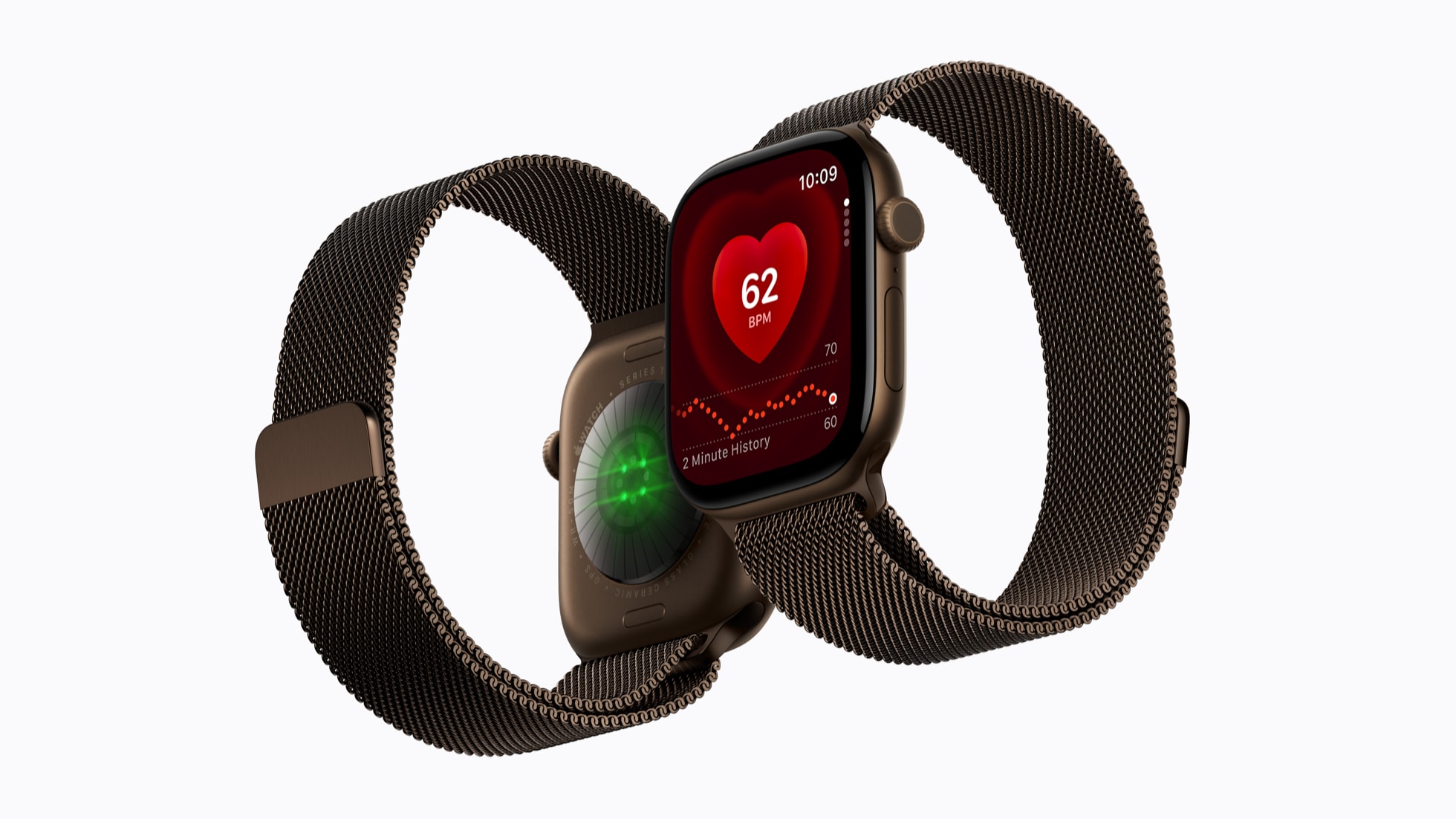
Last week, Apple announced the Apple Watch Series 12. Alongside the spec sheet, the tech giant released a comparison study of seven popular wearables. From that study, Apple concludes that it now has the most accurate heart-rate sensing of any wearable.
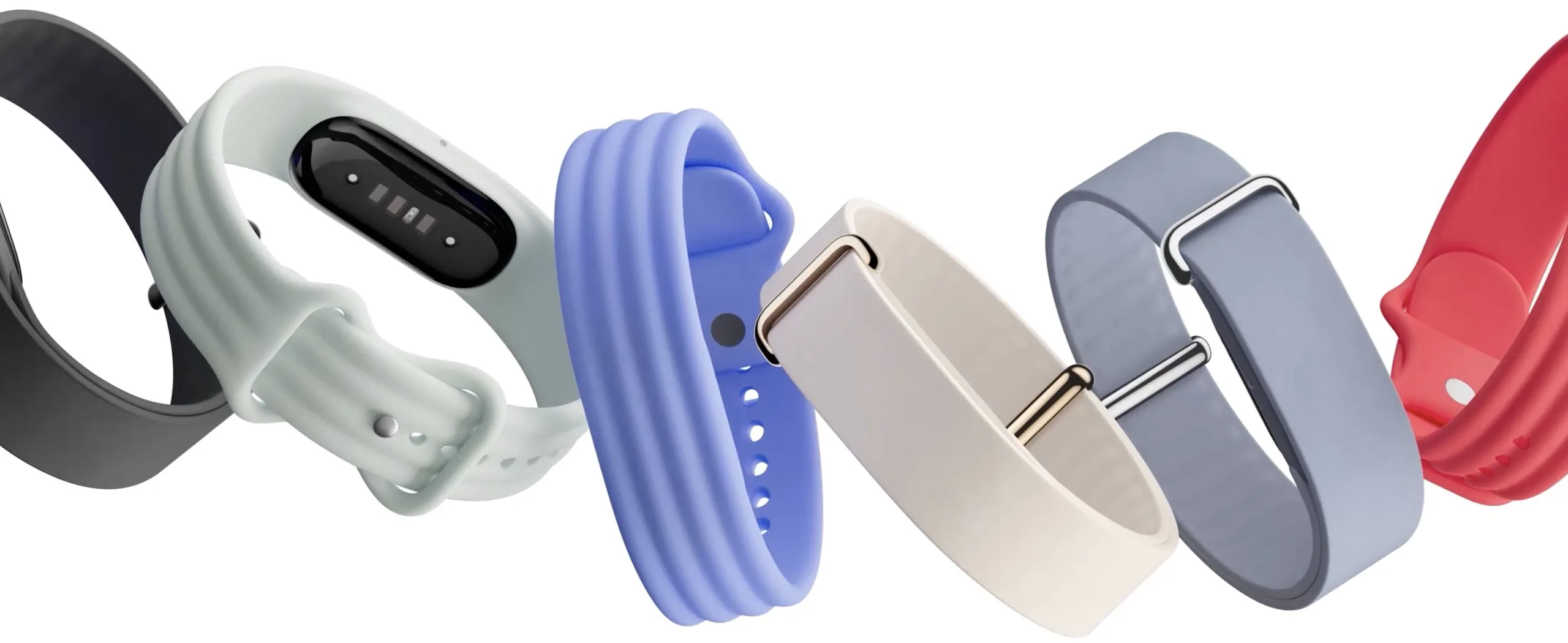
The study enrolled 1,460 people, with 1,254 contributing data. The Series 12 was tested against the Pixel Watch 4, Garmin Forerunner 970, WHOOP 5, Oura Ring 5, Galaxy Watch 8, and Huawei Watch 5, using a Polar H10 chest strap as the reference.
Testing covered running, cycling, HIIT, strength training, and normal daily activity. The Series 12 achieved the highest accuracy in 139 of 159 comparisons. Apple designed, analysed, funded, and published the study (although two of the five test sites were managed by an external research organisation).
Beyond Apple’s in-house study, a much larger body of independent research is now emerging on the Watch and competing wearables.
The Apple Watch has been tested extensively
A 2026 systematic review has identified 82 Apple Watch validation studies measuring 14 health metrics. Thirty-eight of those studies assessed heart rate monitoring against a reference measurement.
Across the 22 heart-rate studies included in the meta-analysis, the Apple Watch underestimated heart rate by just 0.27 beats per minute on average. Individual readings varied more, with most falling within roughly 7 bpm above or below the reference.
A separate 2026 study directly compared Apple, Samsung, Fitbit, and Garmin watches against an ECG during endurance and resistance exercise. All four performed well during endurance exercise. But during resistance training, Apple was the only watch that did not show a statistically significant difference from the ECG reading.
Other studies have found similar results across earlier generations. A comparison of the Apple Watch Series 6 and WHOOP 3.0 across squats, deadlifts, rows, overhead presses, and burpees found lower overall heart-rate error for Apple. An even earlier cycling study found that the Apple Watch Series 2 already had the lowest error among the wrist-worn devices tested.
Is Apple really the best?
Independent validation is less extensive for most of the latest competing wearables. Yet, enough published research exists to make a broad comparison across platforms.
Google and Fitbit generally perform well on heart rate tracking. A 2026 study of ten wearables tested 45 adults during rest, cognitive stress, steady walking, and intermittent walking. The Fitbit Charge 6 had the lowest overall error at 4.5 bpm, followed by the Pixel Watch 2. Garmin’s Vivoactive 5 and the Apple Watch SE followed closely. A 2025 study also placed Fitbit Charge 5 and Sense 2 at the top, particularly during periods when heart rate changed quickly.
Garmin’s results differ across activities. The Vivoactive 5 performed close to Fitbit and Pixel in the 2026 comparison, while an earlier study found Garmin’s Vivosmart 4 relatively stable during rapid heart-rate changes. More difficult movements remain a problem. In a 2026 exercise study, the Garmin Forerunner tracked rest and treadmill exercise well but became substantially less accurate during burpees.
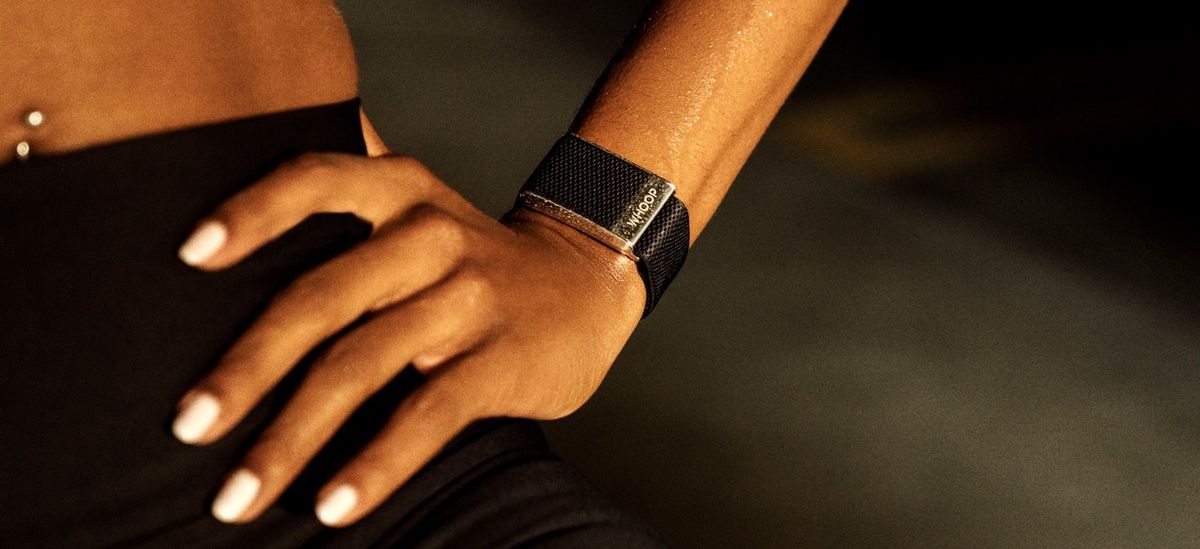
WHOOP shows that placement can change accuracy. An independent 2025 study found that, at night, the WHOOP 4.0 measured resting heart rate with around 3% mean percentage error. During more dynamic daytime testing, however, WHOOP performed behind Fitbit and Garmin. When researchers placed identical WHOOP sensors on the wrist, forearm, and upper arm, the upper-arm position produced the best results.
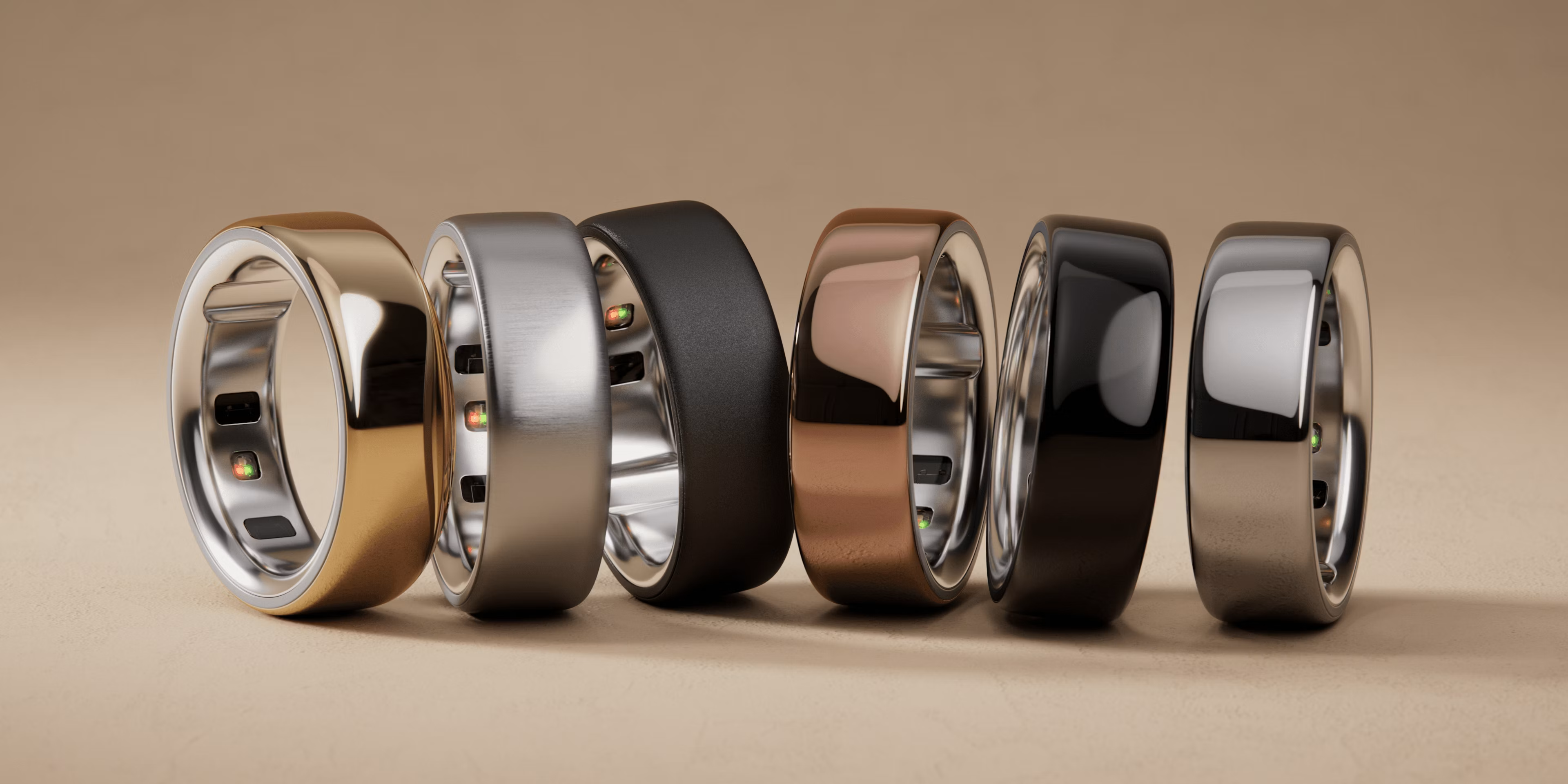
Oura shows some of the strongest results during sleep. In the same 2025 study, Oura’s Ring 3 and Ring 4 recorded resting-heart-rate errors of just 1.67% and 1.94%, respectively, outperforming WHOOP. The picture changed during daytime movement. In the ten-device study, Oura Gen 3 recorded around 15% error, considerably higher than the leading watches.
Accuracy depends on context
Heart-rate tracking is now well validated across the major wearables. At rest, during sleep, and through steady cardio, Apple, Fitbit, Pixel, Garmin, WHOOP, and Oura all perform close to chest straps or ECG.
But gaps consistently show up during rapid heart-rate changes and exercises with more wrist movement. Strength training, burpees, rowing, and gripping handlebars tend to produce larger errors. This is why many athletes still default to chest sensors.
Apple’s Series 12 study adds a strong current-generation result, narrowing the gap, but the wider literature generally points to context over a single winner.


.svg)