
Blood pressure is becoming a bigger target for wearable companies. Hypertension often develops without obvious symptoms, while most people still only measure it occasionally with a cuff. A device worn every day could help fill the gaps between those measurements.
That opportunity is pulling watches and rings into a category that is technically much harder than heart rate or sleep. A traditional cuff physically restricts blood flow and measures the pressure needed to do so. Most wearables only see indirect signals, usually optical changes in blood flow, and then rely on software to interpret them.
As a result, “blood-pressure tracking” is starting to mean several different things. Huawei has built cuff-like hardware into a watch to produce numerical readings. Apple and Google are using existing sensors to flag longer-term changes. Ring makers are starting to explore similar trend-based approaches.
Those products may all sit under the same category, but each solves a different problem.
A reading, a trend, and a warning are different products
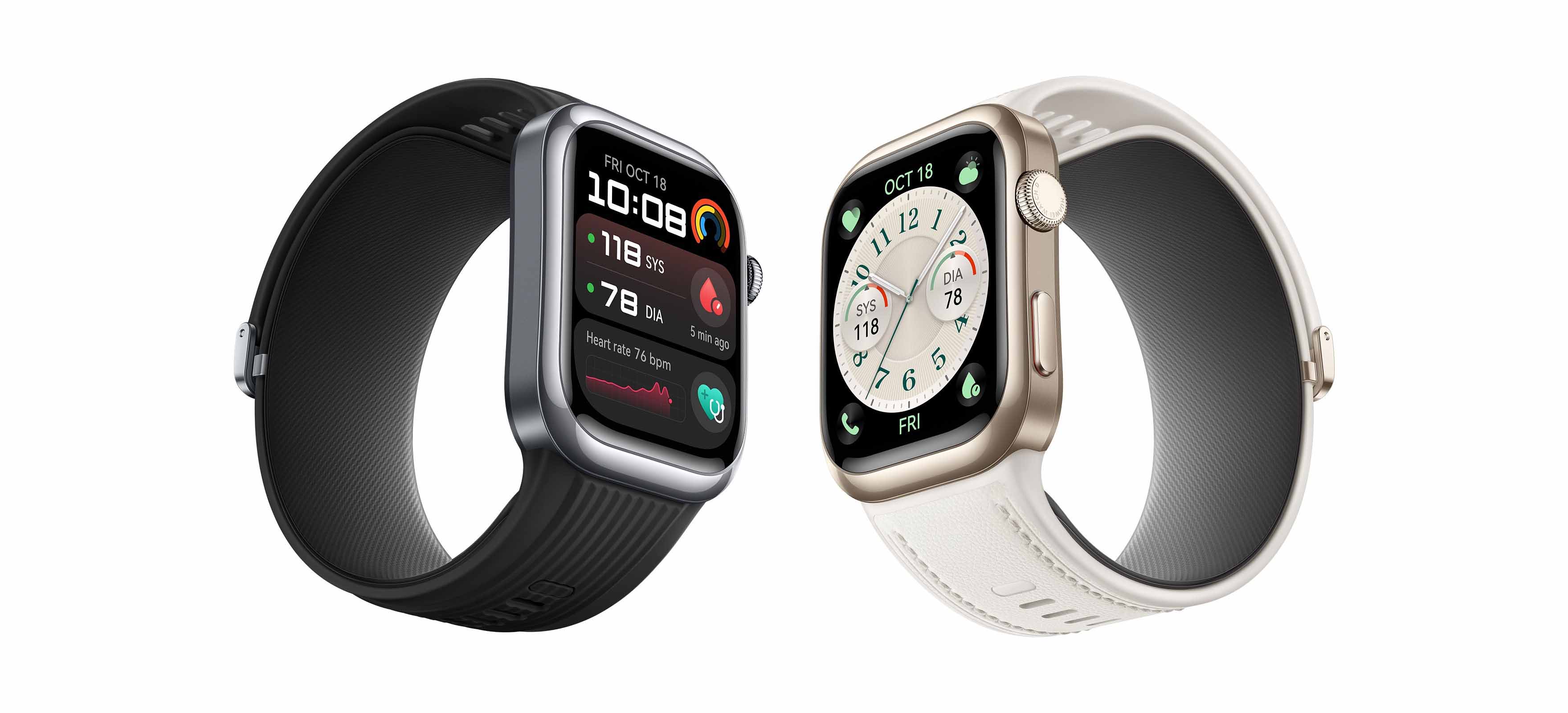
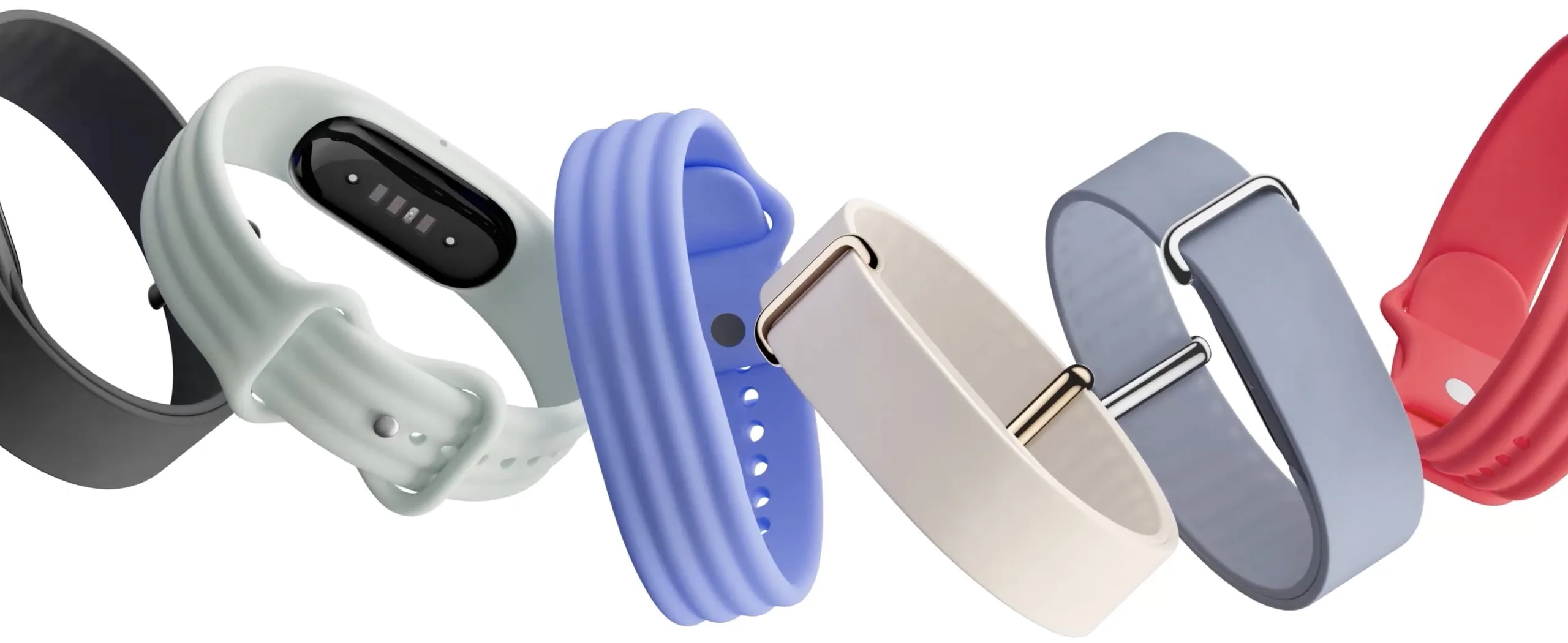
Huawei has taken the most traditional approach to blood pressure measuring. The Huawei Watch D3 uses an inflatable airbag inside its strap to produce systolic and diastolic readings, the two numbers shown in a conventional blood-pressure measurement. In practice, Huawei has built a miniature cuff into a watch. That gives users a familiar output, but also requires hardware that most wearables do not have.
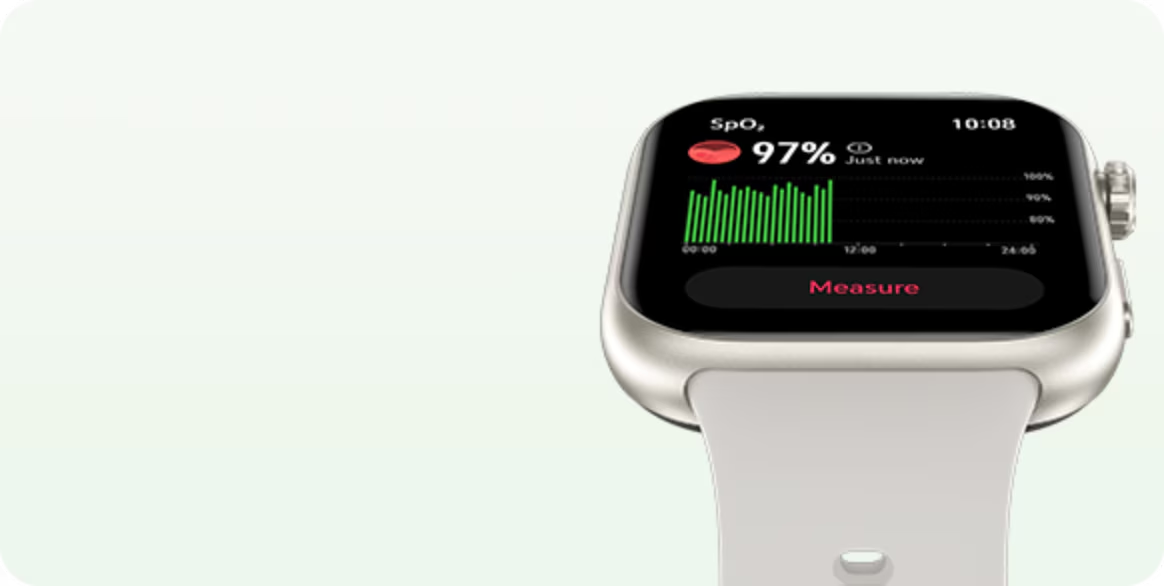
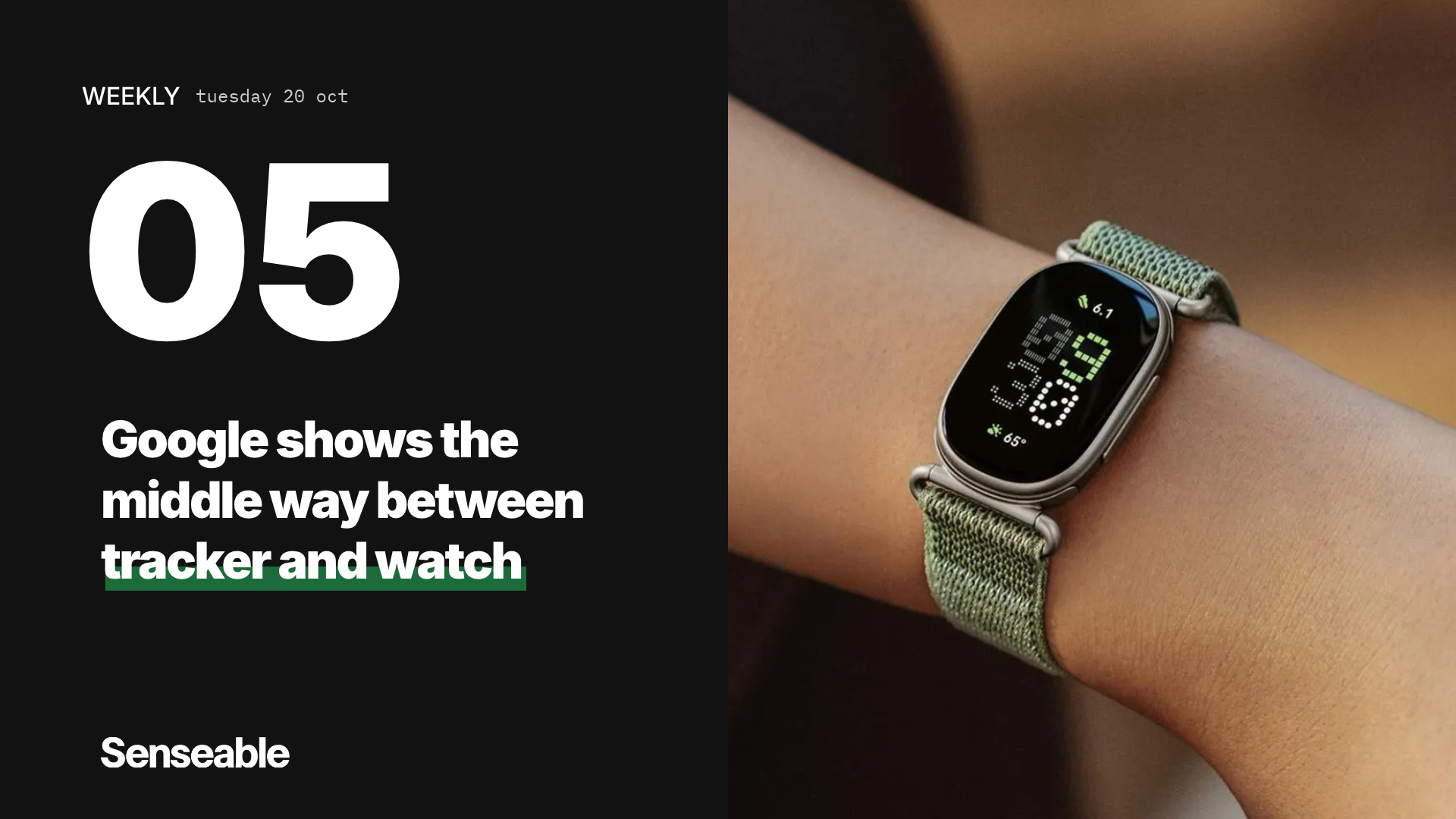
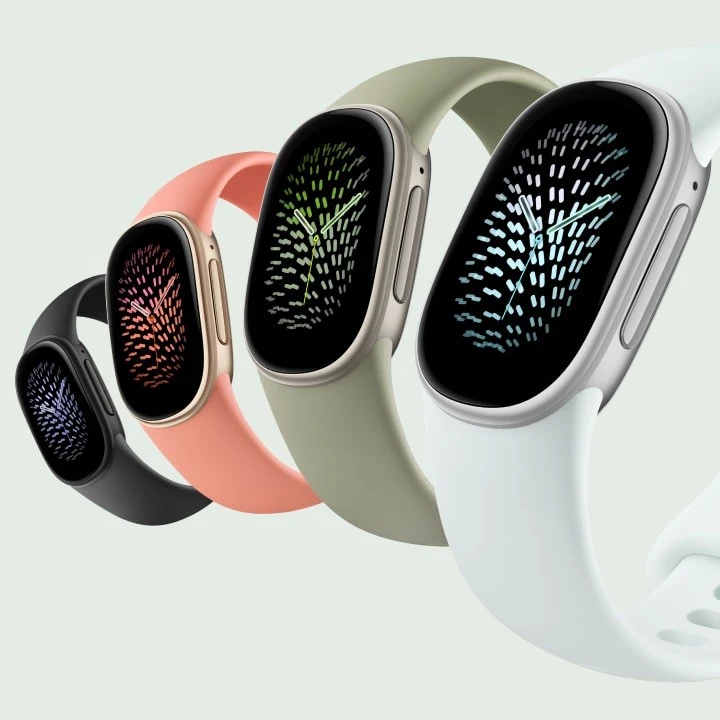
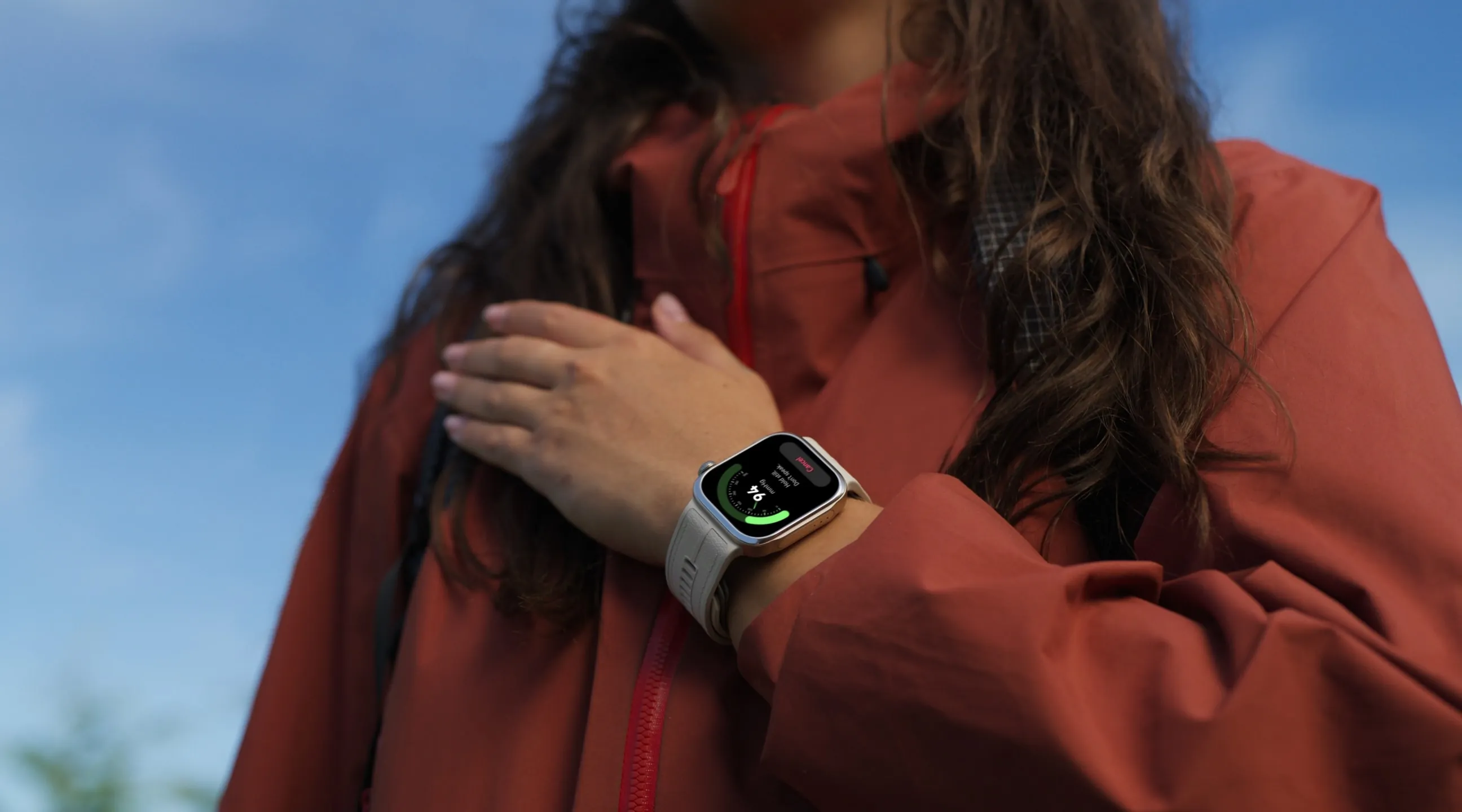
Apple takes an inference approach. The Apple Watch analyses optical heart data over 30-day periods and sends a hypertension warning when it detects patterns associated with possible high blood pressure. Google’s Pixel Watch 5 goes narrower still, placing Blood Pressure Trends inside a monthly health summary without offering direct readings or hypertension screening.
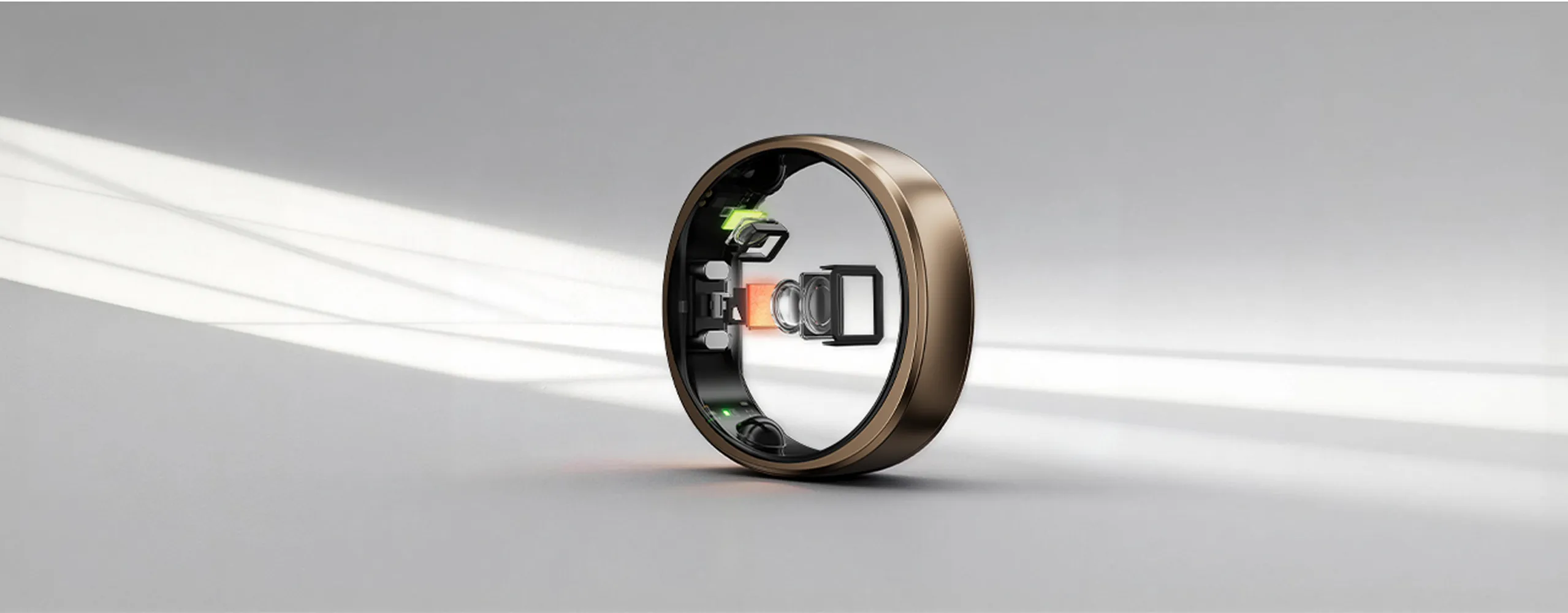
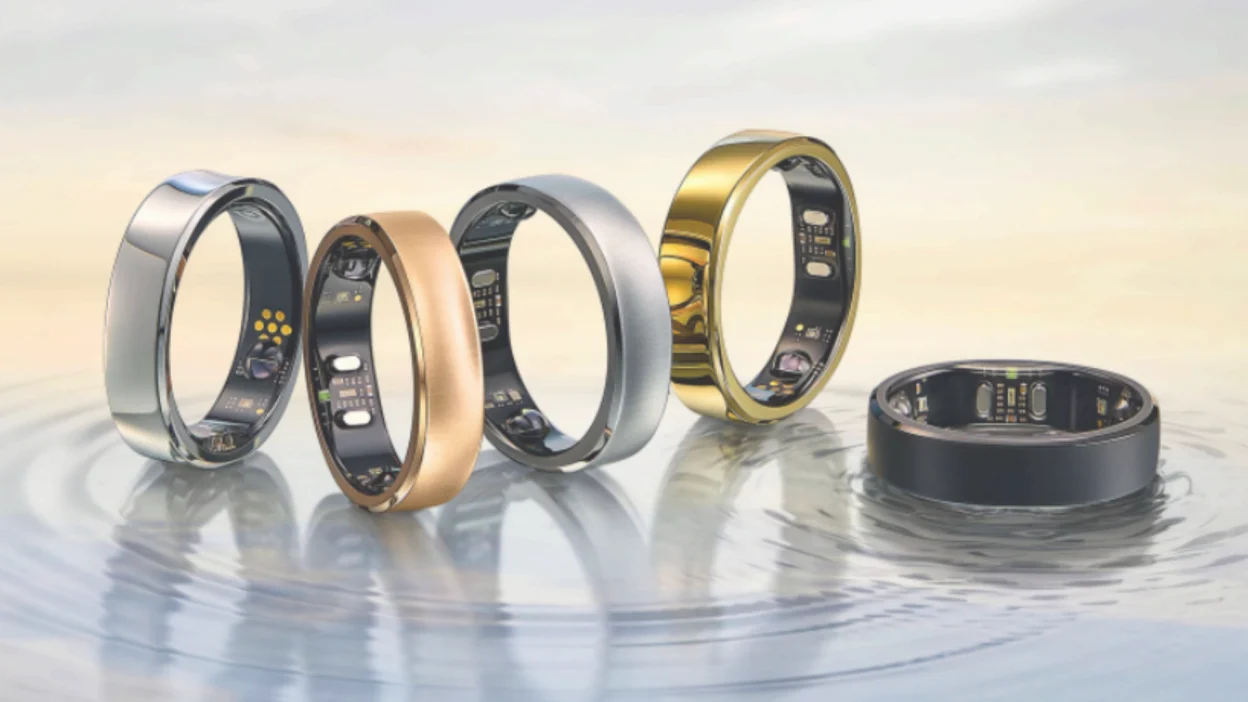
The same trend is starting to appear in rings. RingConn says its Gen 3 combines nighttime vascular-load patterns, optional manually entered blood-pressure values, and lifestyle factors to generate longer-term blood-pressure trend insights. It does not measure blood pressure directly.
Honor is making the most ambitious wearable claim. Its Watch 6 Pro promises day-and-night cuffless blood-pressure monitoring and links changes with activity, routine, and emotion. The feature currently requires participation in a health study, is limited to the China market, and Honor has published relatively little detail on the underlying algorithm or independent validation.
The lower claim may be the bigger product
A numerical reading is the most detailed blood pressure measure, but it also carries the highest burden. A difference of only a few points on a blood-pressure reading can change how it is classified. Therefore, accuracy must hold across different bodies, movements, temperatures, and changes within the same person.
Trends and alerts lower that burden. They do not need to tell someone their exact blood pressure at a particular moment. They only need to detect that cardiovascular patterns have shifted enough to justify a proper measurement by a professional or medically certified device.
That changes the product economics too. Huawei needs a pump, airbag, and pressure sensor to produce cuff-style readings. Apple and Google can use optical hardware already inside their watches, then add the blood-pressure layer through software. Their challenge is proving that those models are reliable enough to act on.