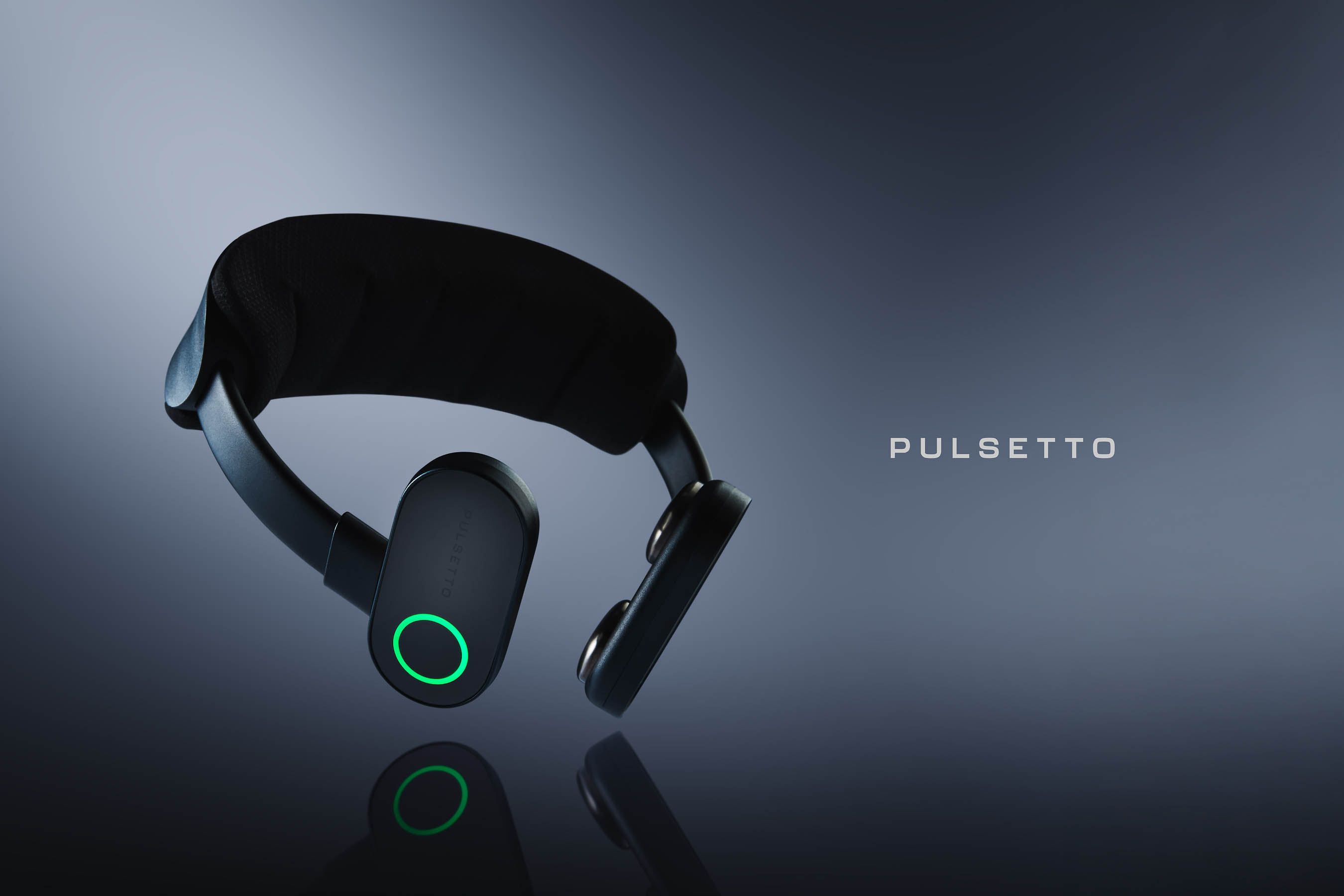
Pulsetto has launched its new flagship model, FIT X, a $399 update to its neck-worn vagus nerve stimulator. The new model adds adaptive stimulation, contact sensing and redesigned X-shaped electrodes as the company pushes further into what it calls “Stress Fitness.”
FIT X sits above the existing FIT model and is already available for purchase. Pulsetto says more than 300,000 people now use its products.
FIT X makes stimulation more automatic
The biggest changes are designed to reduce how much setup is left to the user. FIT X can now adjust stimulation intensity during a session, although Pulsetto has not detailed exactly what inputs drive those changes.
Contact sensing checks whether the electrodes are sitting correctly against the neck, while a new X-shaped electrode layout is designed to improve bilateral contact. Pulsetto has also added gentler starting levels, vibration feedback, improved Bluetooth, offline use and longer battery life.
The device connects to Pulsetto’s app and Stress Resilience Score, which the company is increasingly positioning around longer-term stress, sleep and recovery.
The science is moving toward recovery
Pulsetto has started building evidence around that positioning. In a four-week study of 40 healthy adults, participants used a tVNS device twice daily for eight minutes. Bilateral stimulation produced a significant reduction in hair cortisol, while self-reported anxiety, depression and sleep also improved.
The study was Pulsetto-funded and did not include a sham or no-treatment group.
The company has also been testing VNS in sport. A five-runner project around the HOKA Hackney Half tracked recovery, HRV and sleep during endurance training. One runner’s seven-day HRV average rose from 57 to 77 ms, although results varied across the group.
That fits into a wider push to use neuroscience to improve sports performance, spanning nervous-system stimulation, sensory feedback and other attempts to influence how the body prepares and recovers.
The broader VNS literature is also expanding. Sham-controlled cervical VNS studies have found reduced physiological responses to stress, while a 2026 randomised trial found lower lactate and perceived fatigue after exercise with auricular VNS.