
A new study suggests that a relatively short period of wearable data can reveal patterns associated with health and disease years later. Researchers analysed one week of wrist movement data from nearly 100,000 people, then compared sleep patterns with diagnoses recorded over a median of 8.9 years.
The results linked sleep duration, regularity, nighttime wakefulness, and estimated sleep stages with future risk across dozens of conditions.
What did the researchers find?
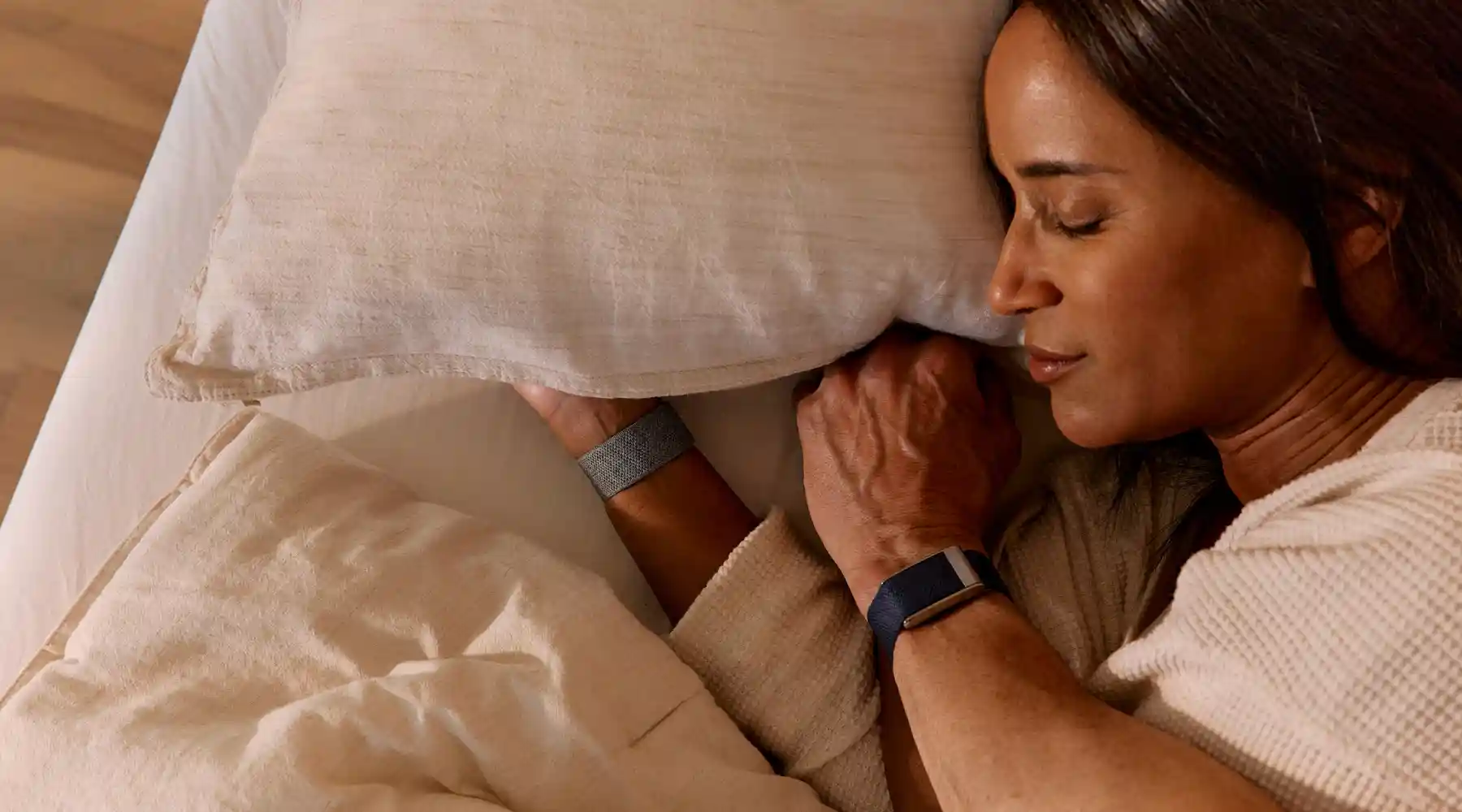
The study, published in PLOS Medicine, analysed sleep data from 95,559 UK Biobank participants who wore a wrist accelerometer for seven days.
Researchers used movement to estimate sleep duration, sleep stages, and time awake during the night. They then compared those patterns with clinical diagnoses over a median of 8.9 years. Of more than 1,000 conditions examined, 156 associations remained statistically significant after adjusting for confounding factors.
More REM and deep sleep generally appeared alongside lower disease risk, while greater sleep irregularity, more time awake during the night, and very short sleep tended to appear alongside higher risk.
REM sleep produced the broadest signal. Longer REM duration was associated with lower risk across 83 conditions, including heart failure, dementia, and Alzheimer’s disease. When REM was analysed as a proportion of total sleep, higher values were still associated with lower risk across 54 disease phenotypes.
Sleep duration and regularity showed another clear pattern. The lowest estimated risk for many conditions fell between six and eight hours of sleep. People estimated to sleep less than five hours accounted for 37 of the 41 significant associations found across the more extreme sleep-duration groups.
Irregular sleep was also associated with higher incidence of several conditions, including anxiety disorders and major depressive disorder.
How much can we take from this?
The sleep stages were inferred from wrist movement. In a sleep laboratory, they are determined using signals including brain activity, eye movements and muscle activity, so the REM and deep-sleep figures here are estimates.
That distinction is important for consumer wearables. Oura, Apple Watch and other trackers also infer sleep stages from peripheral signals rather than measuring brain activity directly.
This study also does not validate the REM scores shown by individual consumer trackers, which vary across sensors and algorithms.
There is also a question of direction. When the researchers excluded diagnoses made within the first two years, 95 of the original 156 associations remained significant. Some participants may already have been developing an illness that affected their sleep before diagnosis.