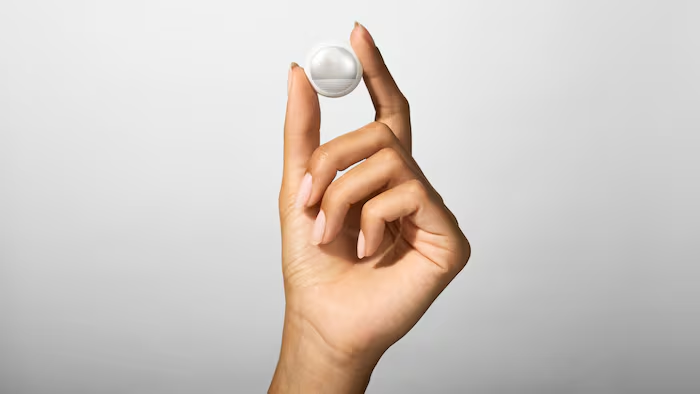

Biolinq has received FDA clearance to sell Shine over the counter in the US, moving its glucose microsensor beyond prescription-only use.
The device is cleared for adults aged 22 and over who are not taking insulin. Pricing and a commercial launch date have not yet been announced.
Shine measures interstitial glucose through seven small microelectrodes placed in the skin of the inner forearm. The patch also tracks movement and ambient light, allowing Biolinq to combine glucose trends with activity and sleep.
A different kind of glucose sensor
Biolinq describes Shine as needle-free because it does not require a hypodermic needle for insertion. The microsensors still enter the upper layers of the skin, classifying Shine as an 'intradermal device', not a fully non-invasive glucose monitor.
After a two-hour warm-up, Shine continuously measures glucose and stores up to five days of data. LEDs on the patch provide a simple real-time indication of glucose range. The companion app provides more detailed trends alongside meals, activity and rest.
Biolinq has also presented clinical data on the system. In a six-site study of 190 people with diabetes wearing Shine for five days, the company reported a mean absolute relative difference of 14.8% against reference testing. The study included Biolinq employees and represents company-developed clinical evidence.
Moving into consumer glucose tracking
The new clearance opens Shine to direct consumer access. With that, Biolinq moves into the same consumer glucose market as Dexcom Stelo and Abbott Lingo, which both target people who are not taking insulin and want to understand how glucose responds to daily habits.
Like its competitors, Shine is only cleared for glucose-range awareness and lifestyle tracking, not for acute medical decisions such as insulin dosing.