
.svg)
.svg)

.svg)
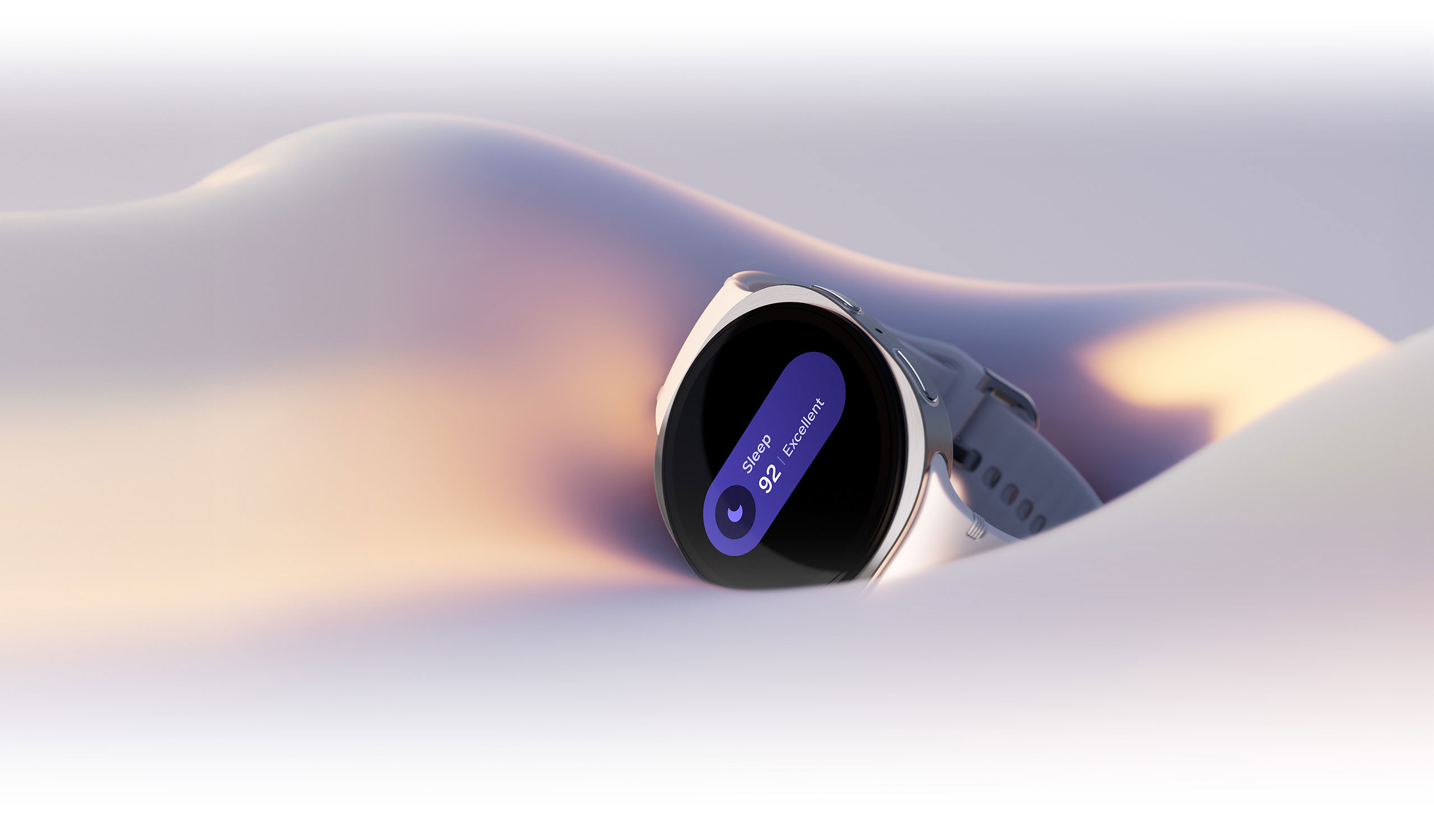

Samsung is testing whether data from the Galaxy Watch can reveal changes in cognitive health. A new study with UCSF Neuroscape will follow roughly 1,000 adults aged 40 to 89 for close to a year.
Participants will continuously wear a Galaxy Watch while completing regular cognitive assessments and training on a Galaxy Tab. Researchers will then compare changes in cognitive performance with the physiological data collected from the watch.
What a watch can measure
The Galaxy Watch is not measuring the brain. It collects signals including heart rate, ECG, blood oxygen, skin temperature, sleep, activity, and body composition.
The study will test whether patterns across those measurements track with changes seen in the tablet-based cognitive assessments. In other words, Samsung is looking for digital biomarkers that could provide indirect information about cognition without placing a sensor anywhere near the brain.
Samsung has already explored similar signals. Earlier work has investigated whether typing, gait, sleep, and voice can reveal cognitive changes, while the company previewed a Brain Health feature at CES that combines several of these measures.
Building models from wearable data
Samsung is also developing more general tools for interpreting the large amount of physiological data its devices collect. Its recently detailed xMAE and HiMAE models are designed to learn patterns across wearable biosignals that can be adapted to different health tasks.
The broader idea is becoming common across consumer wearables. Oura is pairing ring data with cognitive testing, while Google has trained health models on Fitbit and Pixel Watch data.
For a deeper look at Samsung's expansion into cognition and neuro-adjacent health tracking, read the Neurofounders analysis.

.jpg)