
.svg)
.svg)

.svg)
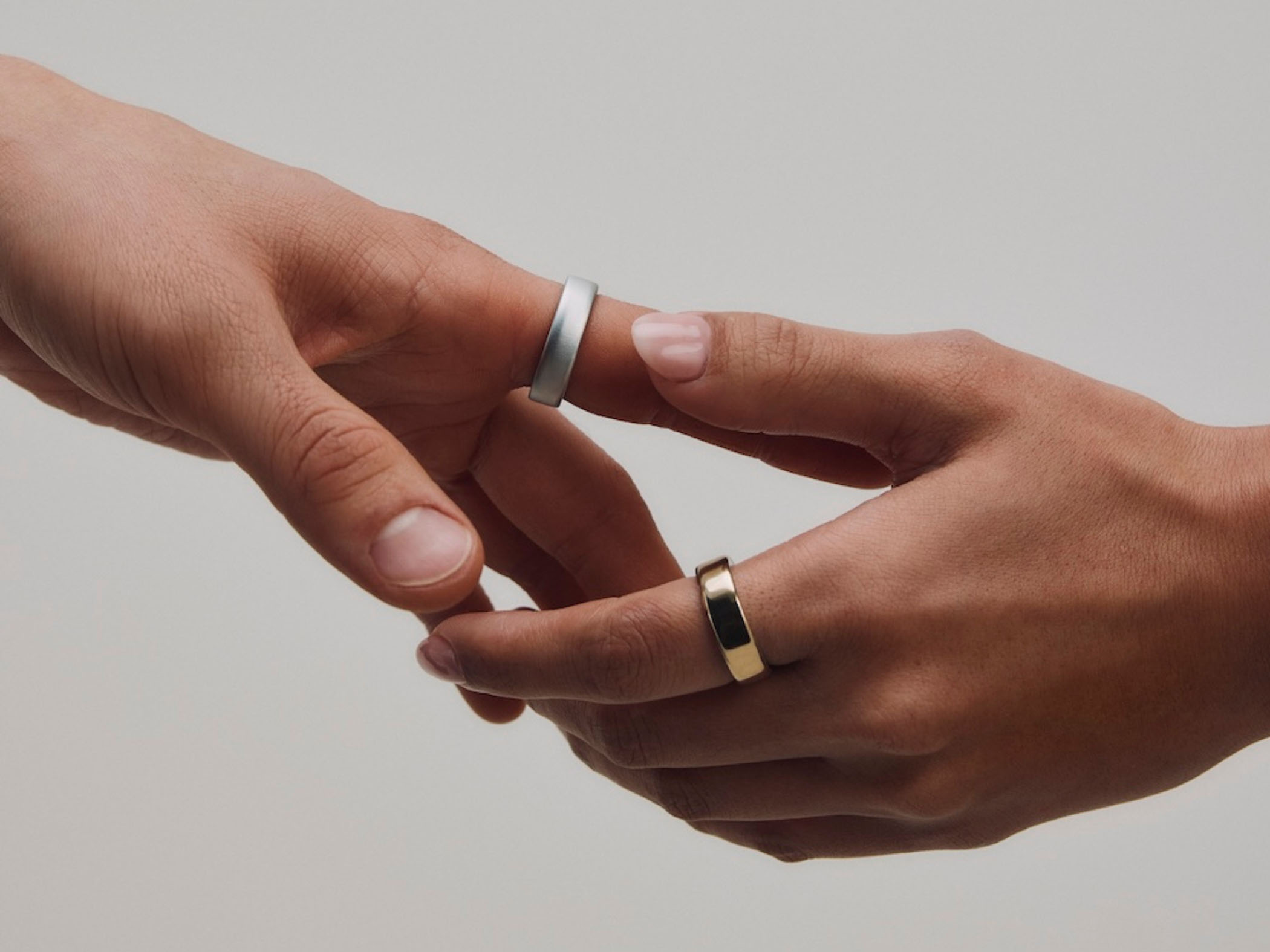

Oura is opening a brain health study to as many as 45,000 members, pairing data from its smart ring with short cognitive tests inside the Oura app.
The study with Cambridge Cognition will run through Oura Labs throughout 2026. Participants complete CANTAB cognitive assessments while the ring continuously tracks sleep, activity, stress, and physiological signals, allowing researchers to study how those patterns relate to cognitive performance over time.
Adding cognition to Oura
The Oura Ring 5 itself is not measuring the brain. Instead, the study adds active cognitive tests alongside the peripheral signals the ring currently collects.
The cognitive assessments test areas including memory, focus, and reaction time. Researchers will then compare changes in cognitive performance with signals such as heart rate, HRV, temperature, respiratory patterns, movement, and sleep.
Connecting repeated cognitive testing with continuous wearable data from tens of thousands of people could help identify whether everyday changes in sleep, stress, or activity reliably track with cognitive performance.
The study arrived alongside the launch of Oura Ring 5, a 40% smaller redesign with 12 signal pathways and new software including Health Radar.
Moving closer to care
Oura is also pushing further into sleep care through a partnership with ResMed. When Oura detects repeated nighttime breathing disturbances, US members can access sleep assessments, educational resources, and options to connect with healthcare providers.
The model keeps Oura on the consumer side of the line. The ring can surface unusual patterns and direct people towards care without presenting itself as a diagnostic device.
For a deeper look at how these moves fit Oura's broader clinical strategy, read the full Neurofounders piece.

.jpg)