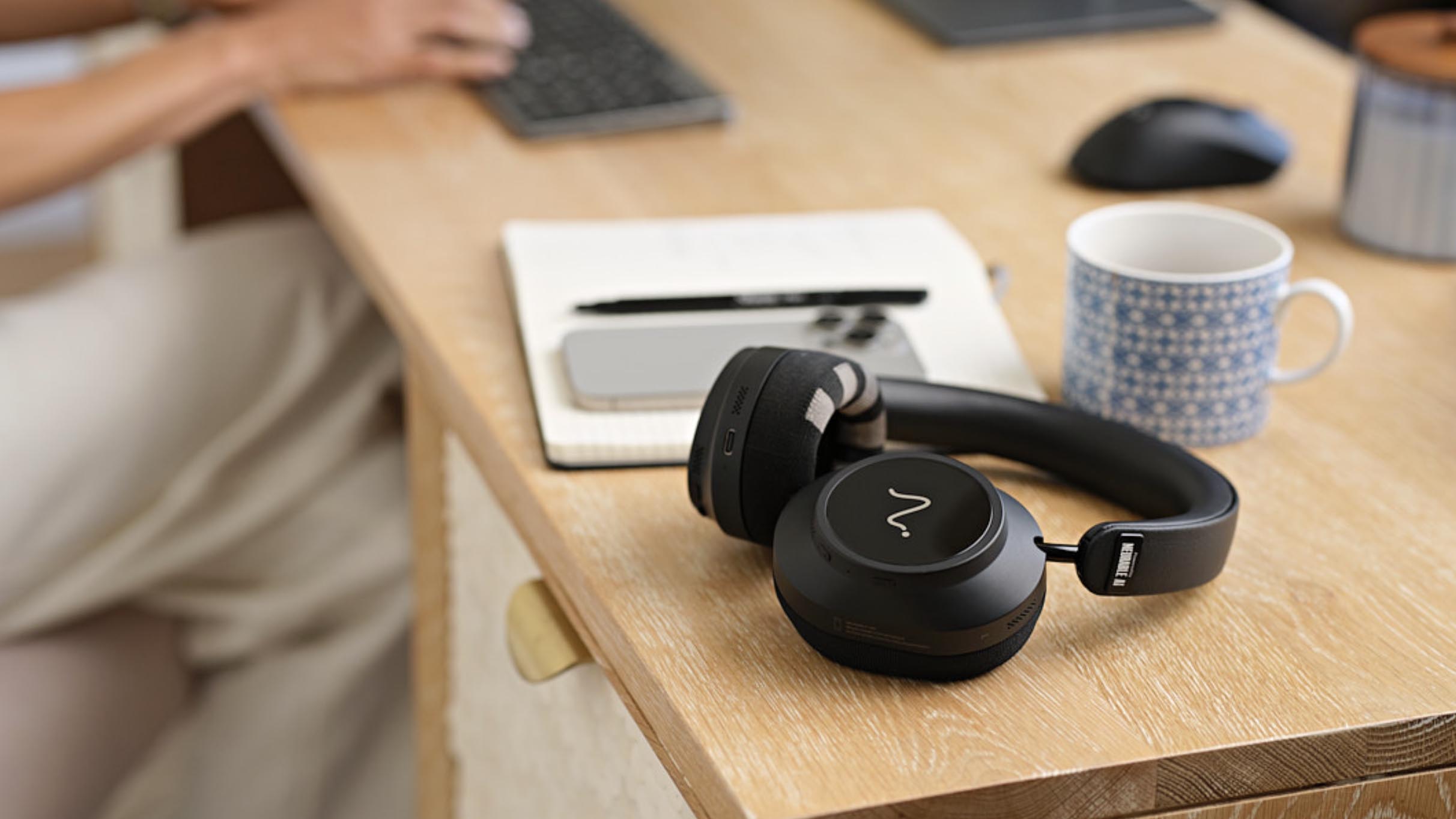

Neurable has launched Neurable One, its first fully in-house EEG headphones. Priced at $499, the headphones embed 12 dry EEG sensors into the ear cushions and turn the resulting brain activity into measures including Focus, Brain Battery, Stress, Sleepiness, Brain Age, and Alpha Peak Frequency.
The hardware is designed to work like a conventional pair of premium headphones, sporting active noise cancellation and up to 22 hours of battery life. Running EEG reduces that to around 12 hours.
Neurable is already shipping early units, with wider fulfilment continuing through 2026.
Turning EEG into something usable
The main consumer experience sits in Neurable’s app. Users can begin with a one-minute eyes-closed check-in, then run focus sessions where attention is tracked in real time. If focus starts to drift, the headphones can change the audio to nudge the user back or recommend a break as signs of fatigue increase.
Brain Battery is designed to summarise a user's remaining cognitive capacity, while Sleepiness and Stress reflect shorter-term cognitive states.
Alpha Peak Frequency tracks the speed of the brain’s dominant resting rhythm. Research has linked it to information-processing speed and cognitive performance. Neurable recommends around a month of repeated check-ins before interpreting changes.
Each session contributes to that longer personal record, where weekly and monthly reports show how cognitive measures change alongside habits and routines.
How much do the scores mean?
The underlying EEG system has some validation behind it. In a 2021 study using an earlier Enten prototype, Neurable collected data from 132 participants across 337 sessions. Its focus algorithm detected 80% ± 4.1% of experimentally introduced distractions.
That supports the sensing and focus-tracking foundation. The newer consumer scores, such as Brain Battery and Brain Age, still rely more heavily on Neurable’s own models and interpretation.
The launch follows a bigger shift in the user experience of brain wearables. After Atlas' launch last month, Neurable joins the trend of making EEG feel more like Oura or WHOOP, presenting simple scores that become more useful as personal data accumulates over time.